August Wilson Quotes
We were land-based agrarian people from Africa. We were uprooted from Africa, and we spent 200 years developing our culture as black Americans. And then we left the South. We uprooted ourselves and attempted to transplant this culture to the pavements of the industrialized North. And it was a transplant that did not take. I think if we had stayed in the South, we would have been a stronger people. And because the connection between the South of the 20's, 30's and 40's has been broken, it's very difficult to understand who we are.
Wilson, August. Interview with Bill Moyers. A World of Ideas: Conversations with Thoughtful Men and Women About American Life Today and the Ideas Shaping Our Future. Edited by Bill Moyers, Doubleday, 1989, p. 167.


The Japanese saw their growth and standard of living dependent on foreign governments as the Japanese, then as now, imported the bulk of their raw materials, energy and much food. As a result of the Japanese aggression and invasion of China the United States and other nations began to cut off sales to Japan. Rather than curtail the aggression in China, Pearl Harbor was the tragic Japanese response.


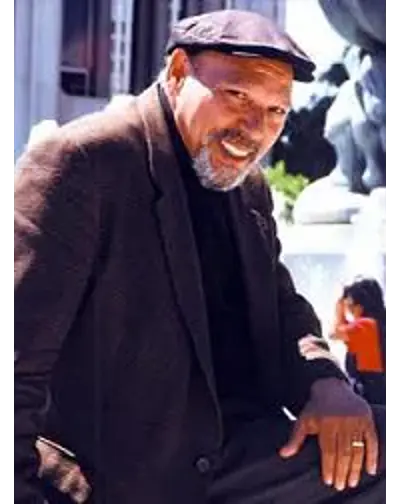
August Wilson (April 27, 1945 – October 2, 2005) was an American playwright. He has been referred to as the "theater's poet of Black America". He is best known for a series of ten plays collectively called The Pittsburgh Cycle, which chronicle the experiences and heritage of the African-American community in the 20th century. Plays in the series include, Jitney (1982), Fences (1984), Ma Rainey's Black Bottom (1984), Joe Turner's Come and Gone (1986), The Piano Lesson (1987), King Hedley II (1999). Two of his plays received the Pulitzer Prize for Drama, and two of his other works won the Tony Award for Best Play. In 2006 Wilson was inducted into the American Theater Hall of Fame.
