Lionel Shriver Quotes
We need to recognise that slowing population growth is one of the most cost-effective and reliable ways of easing pressure on our environment and securing a sustainable future for us all
Shriver, Lionel. "Patron's Statement." Population Matters, 2016.


The relationship of population increase economic growth is a critical one. If an underdeveloped country manages to have a 3% annual economic growth rate and also has a 3.2% population growth, at the end of the year, the average person is actually poorer than he was the previous year. South Korea, China, Thailand and India implemented successful population control and family planning programs before they were able to take advantage of economic development. To modernize, the country must be able to have a surplus of funds which can be invested in roads, schools, hospitals, and other facilities which can produce even more growth later. Too many new mouths to feed, clothe and care for can be a barrier to development even if the economy is reasonably good.

See {621143} for the situation even before the critical population is reached.


History has shown that as girls and women get educated and learn about family planning, their children are healthier and have better chances of survival and despite the lower death rate the population trend slows as a result of family planning.
In Burundi, family land is divided among the male children of a family. The average Burundian woman has 6.3 children, nearly triple the international fertility rate. With this fertility rate, the plots of land for each person inevitably get smaller and smaller over time. At 10,745 square miles, Burundi is slightly smaller than the U.S. state of Maryland, but it holds nearly twice as many people: about 10 million. The small plots of land are inefficient to farm and provide subsistence. So the nation was in a crises as there was little industrialization and land was essential for existence for most Burundians. See {35808} and {35809}.


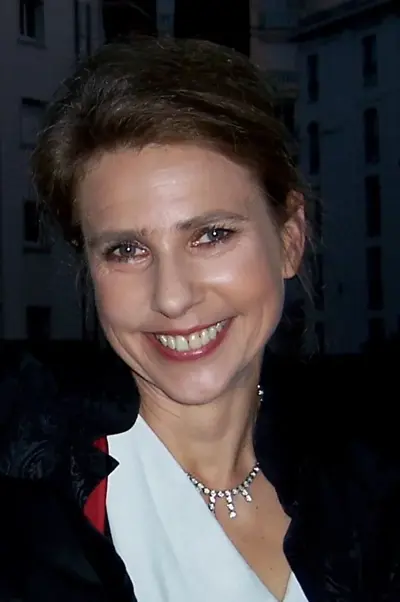
Lionel Shriver is an American author and journalist who lives in the United Kingdom. Her novel We Need to Talk About Kevin won the Orange Prize for Fiction in 2005.
