Frances Wright Quotes
We hear of the wealth of nations, of the powers of production, of the demand and supply of markets, and we forget that these words mean no more, if they mean any thing, then the happiness, and the labor, and the necessities of men.
Wright, Frances. Course of Popular Lectures. Office of the Free Enquirer, 1829, p. 88.

This view that the more people a country has, the richer it is, has gone hand in hand with the notion that a large population will assure a nation of extensive military prowess. However, both of these are now known to be false. The most heavily populated nations are among the poorest, and military prowess is more a function of the training of troops and the modern tools and weapons. Tiny Israel has demonstrated that many times since its origin. It has been attacked over and over by several nations at a time. Despite the fact that Israel was vastly outnumbered by enemy troops and weapons like tanks and planes, Israel has repeatedly demolished the more populous enemies. The world, observing this, no longer emphasizes trying to build a large manpower pool as it does not help militarily and it makes full employment very difficult.


For hundreds of years most people of the world believed this. In the latter half of the 20th century, however, a very small nation, Israel, not only defended itself against nations many times their size but did so against the attacks of all of them together. The Israelis became so powerful that many in the world began to rethink the Gervaise principle and placed more value on the educational and technological competence of a nation. Modern technology eliminated the criticality of population size.


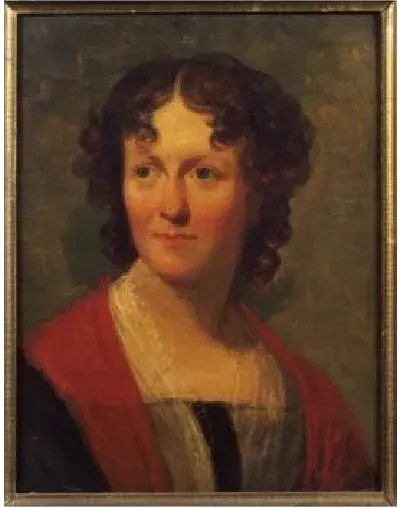
Frances Wright, widely known as Fanny Wright, was a Scottish-born lecturer, writer, freethinker, feminist, utopian socialist, abolitionist, social reformer, and Epicurean philosopher, who became a US citizen in 1825. The same year, she founded the Nashoba Commune in Tennessee, as a utopian community to demonstrate how to prepare slaves for eventual emancipation, but the project lasted only five years. In the late 1820s Wright was the first woman lecturer to speak publicly before gatherings of men and women in the United States about political and social-reform issues. She advocated universal education, the emancipation of slaves, birth control, equal rights, sexual freedom, legal rights for married women, and liberal divorce laws. Wright was also vocal in her opposition to organized religion and capital punishment. The clergy and the press harshly criticized Wright's radical views. Her public lectures in the United States led to the establishment of Fanny Wright societies and her association with the Working Men's Party, organized in New York City in 1829, became so strong that its opponents called the party's slate of candidates the Fanny Wright ticket.
