Keith Jarrett Quotes
We accept so many things that come through the media; we get used to them, however vigilant we are. But for any creative art, you have to remain 110% conscious, and in a world that's losing consciousness, that's getting harder.
Solomon, Andrew. "The Jazz Martyr." The New York Times Magazine, 9 Feb. 1997, p. 32.


Given the early year, with television available in only New York and large cities and hardly any viewers, it is fascinating that White could see the importance of the new medium. Masters of old media tend to underestimate the power and advantage of new media.

In the age of digital electronics, the media, with its tendency to want to be the first to break any news story, reports events very quickly even when they have not verified what they are reporting. When an event occurs, the initial reports almost always include some errors and are incomplete with respect to critical information. There is no time for reflection and adding context. Then they often repeat the errors and omissions until there is more clarity and they begin to report a more accurate version. National Public Radio thus tries to “slow down” the news, not report it immediately but to wait for verification and allow the journalists some time for contemplation and reflection.

The Commerce Department was then in charge of Radio regulation and policy. Hoover, a great administrator and businessman, had a terrible record with policy making. He almost always zigged when he should have zagged. He let General Douglas MacArthur loose to brutalize protesting veterans, would not use the Federal Government to provide any relief or stimulus as Roosevelt did in the Great Depression, and here, where he took a very left wing position on Radio Advertising, he was wrong again as it was the very thing he wanted to avoid that provided all the sponsors resources for all the great radio program development.

Nixon shortly thereafter hired Ailes to run his television campaign operations. At the time, there was still much debate as to whether television had any serious place in political campaigning. Ailes was not only ahead of his time conceptually, but developed many of the basic techniques that politicians used with television for years thereafter.


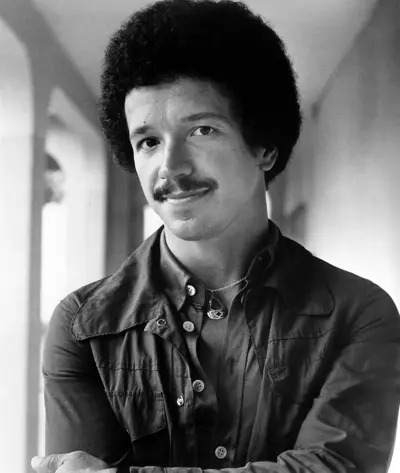
Keith Jarrett is an American jazz and classical music pianist and composer.
