Gwen Ifill Quotes
I just think we as consumers of information media must be very clear what it is we are consuming. Whether we are choosing to get our information by listening to people fight about it. Or whether we're choosing to get it by listening to the facts or watching the facts as they're laid out and then reaching our own conclusions. It's very different ways of info gathering, but it's not all journalism.
Ifill, Gwen. Remarks at the Aspen Ideas Festival. The Aspen Institute, 2016.


In the age of digital electronics, the media, with its tendency to want to be the first to break any news story, reports events very quickly even when they have not verified what they are reporting. When an event occurs, the initial reports almost always include some errors and are incomplete with respect to critical information. There is no time for reflection and adding context. Then they often repeat the errors and omissions until there is more clarity and they begin to report a more accurate version. National Public Radio thus tries to “slow down” the news, not report it immediately but to wait for verification and allow the journalists some time for contemplation and reflection.


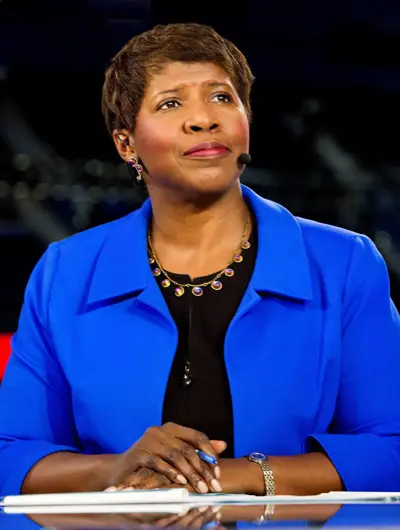
Gwendolyn L. Ifill was an American journalist, television newscaster, and author. In 1999, she became the first African-American woman to host a nationally televised U.S. public affairs program with Washington Week in Review. She was the moderator and managing editor of Washington Week and co-anchor and co-managing editor, with Judy Woodruff, of the PBS NewsHour, both of which air on PBS. Ifill was a political analyst and moderated the 2004 and 2008 vice-presidential debates. She authored the best-selling book The Breakthrough: Politics and Race in the Age of Obama.
