Dennis Weaver Quotes
War is usually fought over diminishing resources, particulary those that we perceive to be extremely valuable.


Water has always been in short supply in the Middle East. For thousands of years in the past water rights and possession was the cause of many conflicts. The rapid increase in fertility and population in the Muslim countries of the Middle East has placed even more stress on the water supply while waste is common. Fortunately Israel and Turkey have developed many techniques of using water efficiently. However, the rest of the Middle Eastern nations are slow to adopt these methods of water conservation, water generation and production, and agriculture that requires much less water than in the past. Politics, religion, and culture can be barriers or facilitators.

Lincoln used the very “estimate” to mean value or hold in esteem, a meaning which is no longer in use.


Almost all economists believe that Harding had it totally wrong. WWII for example was one of the greatest increases in productivity in world history. The Civil War and the two world wars both were accompanied by many increases in industrial productivity. The losing side is usually totally devastated by war, and sometimes the winners are impoverished as with England and Russia in WWII. However, the North thrived in the Civil War and America did in WWII. Many economists say that war often impairs the economy of even a winning country in that the war expenditures generally are made at the expense of the civilian economy—infrastructure, public transportation, education, and in the decades following the war the lack of domestic investment in the war years reduces medium and long term growth.


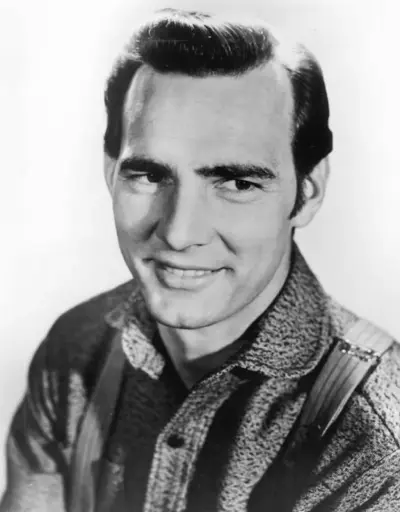
William Dennis Weaver was an American actor and former president of the Screen Actors Guild, best known for his work in television and films from the early 1950s until just before his death in 2006. Weaver's two most famous roles were as Marshal Matt Dillon's trusty partner Chester Goode/Proudfoot on the CBS western Gunsmoke and as Deputy Marshal Sam McCloud on the NBC police drama McCloud. He starred in the 1971 television film Duel, the first film of director Steven Spielberg. He is also remembered for his role as the twitchy motel attendant in Orson Welles's film Touch of Evil (1958).
