Daniel W. Drezner Quotes
Viable grand strategies need to rest on a wellspring of domestic support.
Daniel Drezner, Political Scientist, “Does Obama Have a Grand Strategy?”, Foreign Affairs, July / August 2013
Sourced by: Eigen's Political and Historical Quotations


This is a view with which most diplomats and foreign policy strategist do not agree. They point to Hitler in WWII where Nazi Germany had enormous power but brought themselves to ruin via terrible strategic decisions that Hitler made. Declaring war on the United States, Invading Russia, and not developing nuclear weapons are 3 of the worst. Many argue that the United States strategy in invading Iraq and diverting resources from Afghanistan was a poor strategic decision.

There are many who do not agree with Hayden’s thesis that there was a national consensus about the degree of compromise with Constitutional rights. It is the case that the 3 Presidents maintained a continuity, but there was no great outcry of public opinion for roundups and arrests of Muslims after 9-11. The government never at the time revealed the data on what they were doing. When that became public, it was clear that there was no consensus as was the case with torture. The military authorities who interned American Citizens of Japanese Origin argued that there was little public opposition but many citizens did not even know it was happening, and the ones who did, for the most part, thought that it was only the suspected saboteurs and spies who were interned, not American citizens who were suspected of nothing; not little children; not 90 year old men and women. When the facts were known Americans did form a national consensus—that it was one of the worst practices in which the United States ever engaged.


What he does not consider is that a large number of Americans don’t want their government having grand strategies if there is no threat to the United States or no critical national interest. For them crises and threats are all that should occupy our foreign affairs.


It was only since Theodore Roosevelt’s presidency that the public received very much information about what the nation’s foreign policy was or was even desired except in time of war.
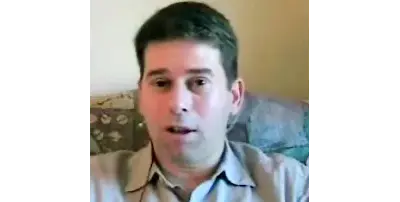
Daniel W. Drezner is an American professor of international politics at The Fletcher School of Law and Diplomacy at Tufts University, an author, a blogger, and a commentator. He is also a nonresident senior fellow at the Project on International Order and Strategy at the Brookings Institution.
