Jacob Weisberg Quotes
Unlike the Japanese internment, water-boarding was ordered and served up in secret. But it, too, was America's policy, not just Dick Cheney's. Congress was informed about what was happening and raised no objection. The public knew, too.
Weisberg, Jacob. "Our Torture Policy." Slate, 22 May 2009.


The President and Vice President wanted places to interrogate suspected terrorists where they did not have to obey American law, where the press could be kept away from the prisoners, and there would be no way that a prisoner could get the assistance of attorneys and American Judges could not have any jurisdiction. A number of the prisoners had been picked up by mistake, or were accused by people who had scores to settle, and if the CIA had made a mistake, the public could not find out. Further, they wanted to torture certain prisoners and wanted places where they could use their “enhanced interrogation”—see {637536}--without the public finding out.


Several American soldiers have been court marshalled and found guilty of illegal torture for Warterboarding prisoners to induce them to provide information. Most experts agree that intelligence received this way is highly unreliable in that victims will say anything they think the torturer wants to hear to get the torture to stop.

In the War on Terror, some CIA officers had gotten a George W, Bush Administration green light to torture some captured terrorists using a torture technique known as “water boarding”—a practice for which American military personnel were court marshaled and convicted in the Philippine War. The torture sessions had been videotaped, a normal procedure with CIA interrogations. The fact of the torture had leaked and a national scandal ensued with Americans on both sides of the question. President Bush and his Vice President publicly stated that the United States does not torture. Rodriguez then ordered the tapes destroyed. Later he gave his reasons after the Obama Administration decided not to investigate the matter or determine which, if any, CIA officials might have broken the law, by wither doing the torturing or destroying evidence—“obstructing justice.”

See {618460} for the kinds of statements that stimulated this type of political attack.


Clinton did believe that there might be a rare situation where extra judicial methods might be resorted to but he felt that those involved should be ready to take the responsibility and the consequence. He had suggested formalizing the theoretical exception, but then changed his mind as the exception would be abused.


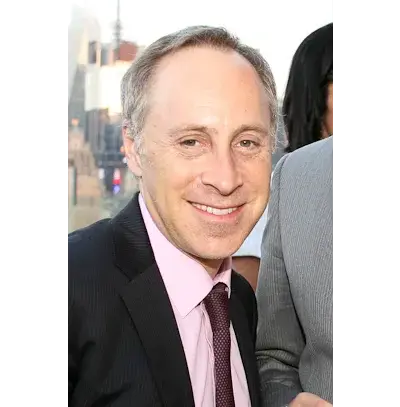
Jacob Weisberg (born 1964) is an American political journalist, who served as editor-in-chief of The Slate Group, a division of Graham Holdings Company. In September 2018, he left Slate to Co-found Pushkin Industries, an audio content company, with Malcolm Gladwell. Weisberg was also a Newsweek columnist. He served as the editor of Slate magazine for six years before stepping down in June 2008. He is the son of Lois Weisberg, a Chicago social activist and municipal commissioner.
