Jose Rodriguez Quotes
It’s not a pretty sight when you are waterboarding anybody … I am proud of the decisions I took including the destruction of the tapes …. We needed to come up with additional techniques that would convince the terrorists that their fate was in our hands … if the tapes were seen by anybody outside of the CIA, we would look terrible
In the War on Terror, some CIA officers had gotten a George W, Bush Administration green light to torture some captured terrorists using a torture technique known as “water boarding”—a practice for which American military personnel were court marshaled and convicted in the Philippine War. The torture sessions had been videotaped, a normal procedure with CIA interrogations. The fact of the torture had leaked and a national scandal ensued with Americans on both sides of the question. President Bush and his Vice President publicly stated that the United States does not torture. Rodriguez then ordered the tapes destroyed. Later he gave his reasons after the Obama Administration decided not to investigate the matter or determine which, if any, CIA officials might have broken the law, by wither doing the torturing or destroying evidence—“obstructing justice.”
Jose Rodriguez, CIA Supervisor, Interview, BBC World News, May 13, 2012
Sourced by: Eigen's Political and Historical Quotations


The President and Vice President wanted places to interrogate suspected terrorists where they did not have to obey American law, where the press could be kept away from the prisoners, and there would be no way that a prisoner could get the assistance of attorneys and American Judges could not have any jurisdiction. A number of the prisoners had been picked up by mistake, or were accused by people who had scores to settle, and if the CIA had made a mistake, the public could not find out. Further, they wanted to torture certain prisoners and wanted places where they could use their “enhanced interrogation”—see {637536}--without the public finding out.


Bowden is speaking of Keith Hall, a CIA agent and interrogator, who was fired after the government found out that he had tortured the terrorist, Elias Nimr, to get information.

Under torture many people will tell their interrogators what they want to hear --- accurate or not.


Rendition is the process whereby one country sends a prisoner to another country for interrogation under the theory that the second country can use methods that would be illegal in the first country. Usually torture is involved.

The George W. Bush administration had issued a memorandum to key Federal Agencies stating that certain types of torture were legal—a finding that was quickly repudiated after Bush and VP Cheney—who was a leading force for allowing torture of terrorism suspects—were out of office. But Bush had told the American People and the World that the United States will not torture any prisoners. The dilemma was “solved” when someone came up with this euphemism.

Several American soldiers have been court marshalled and found guilty of illegal torture for Warterboarding prisoners to induce them to provide information. Most experts agree that intelligence received this way is highly unreliable in that victims will say anything they think the torturer wants to hear to get the torture to stop.

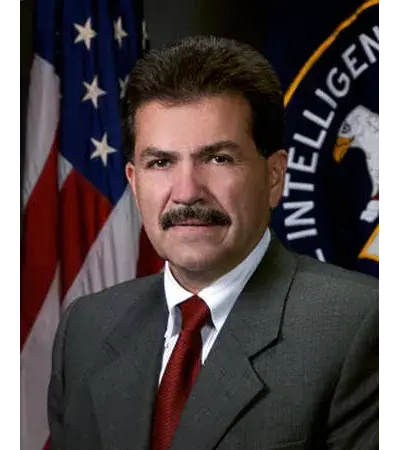
Jose A. Rodriguez, Jr. is an American former intelligence officer who served as Director of the National Clandestine Service Central Intelligence Agency (CIA). He was the final CIA deputy director for operations (DDO) before that position was expanded to D/NCS in December 2004. Rodriguez was a central figure in the 2005 CIA interrogation videotapes destruction, leading to The New York Times Editorial Board and Human Rights Watch to call for his prosecution.
