H. L. Mencken Quotes
To large numbers of American citizens life in certain parts of the country becomes intolerably hazardous. They may be seized on any pretext, however flimsy, and put to death with horrible tortures. No government pretending to be civilized can go on condoning such atrocities. Either it must make every possible effort to put them down or it must suffer the scorn and contempt of Christendom.
Mencken, H. L. Testimony. Hearings on S. 24, Anti-Lynching Bill, U.S. Senate Committee on the Judiciary, 14 Feb. 1935, p. 17.


All the human and civil rights abuses of its citizens by governments are ALWAYS justified as necessary preservation of law and order.


First Published American Indian Author. His last public speech. He was referring to a horrible massacre of Christian Indians and the polarizing effect that such conflicts had. Whosoever publicly castigated a massacre of whites or Indians would be met by accusations of condoning the massacres of the other side and ignoring the inevitable and natural seeking of retaliation for future protection and revenge.

The Center is in Holland. Chouket is Tunisian

South Africa was then ruled by a white separatist, apartheid government.


Wells, more than any individual in American history, documented and publicized the horrid practice of lynching in the belief that if the American people knew the horrors of what was going on, they would put a stop to it. She was right in the long run but it took more than 50 more years before the last vestiges of this form of racial torture and murder was ended in the South. The morality of the South was so warped that the torture, burning and killing was entertainment—viewed by many townspeople including women and children. The leading citizens of the South refused to investigate and prosecute those who actually performed the lynching even though there were photographs and hundreds of eye witnesses and newspapers carried the horrible stories.

Bangladesh was a part of Pakistan that was treated as a second class area by the Pakistan government. Some Bengalis in Dhaka demonstrated in protest and many were murdered by the Pakistani military and security forces. Rahman called on the government to right the situation. Nothing happened and finally Bangladesh revolted and gained their independence.


When TR came to office, the U. S. was in the midst of war with Philippine insurgents who were fighting an asymmetric , guerrilla war against the U. S. Army. The war had become very brutal with the insurgents using terror and atrocities and some Army units executing prisoners and torturing captives. Roosevelt, actually fired the General who was in charge of the field troops rather than just discipline lower level officers as usually has happened.

Two senior Chinese officials Yuan Ch`ang and Hsu Ching-ch`eng, realizing the implications and the vengeance the Western Powers would take on the Empress and China if the order were carried out, rewrote it to require that all foreigners be “protected.” This version went out to all governors except that of Shansi who had received a previous execution order {612690} . When the Empress discovered the change, Yuan Ch`ang and Hsu Ching-ch`eng were both summarily beheaded. However they saved thousands of Western lives and China from an even greater disaster.
The human rights abuses in the Belgian Congo were horrible. Natives who refused to work for the low wages were murdered or had their hands chopped off. The indigenous population was markedly reduced. Word of the atrocities started leaking out to Europe. It is not known whether the King really wanted any reform or just sent the instructions to cover himself. The instructions were not followed; the atrocities continued, and Leopold never took any steps to discipline his agents and minions. The Belgian Congo had the worst atrocities in the world until WWII.


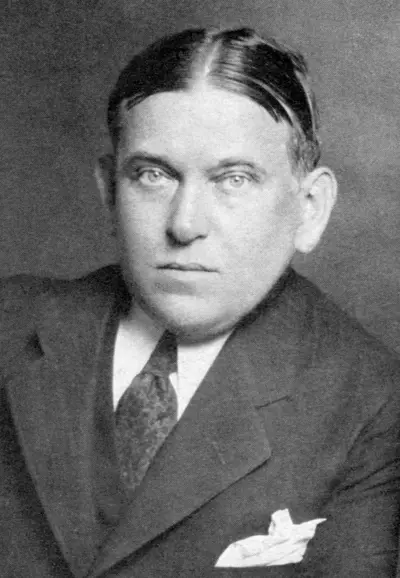
Henry Louis Mencken was an American journalist, essayist, satirist, cultural critic, and scholar of American English. He commented widely on the social scene, literature, music, prominent politicians, and contemporary movements. His satirical reporting on the Scopes Trial, which he dubbed the "Monkey Trial," also gained him attention.
