Desmond Tutu Quotes
Unless something drastic is done very soon, then bloodshed and violence are going to happen…almost inevitably… A people made desperate by despair and injustice and oppression will use desperate means.
Desmond Tutu, Anglican Archbishop of South Africa, Nobel Peace Laureate, Chairman, South African Truth and Reconciliation Commission, Letter to South African Prime Minister Vorster, May 1976
Sourced by: Eigen's Political and Historical Quotations

The ambassador's hyperbole caused or was the excuse for President Lyndon Johnson to send the marines into the Dominican Republic. There were only two American civilian casualties—both were reporters accidently shot by U.S. Marines.


The Turkish revolution was by historical standards relatively bloodless as compared especially with other republican revolutions like the United State and France. However, the revolution that brought Ataturk to power was a relatively mild one in terms of the immediate changes that unlike many revolutions which produced instant radical change. In Turkey, the radical change took place in the years after the revolution when Ataturk with hardly any bloodshed produced compulsory public secular education, scientific elevation in society, separation of mosque and state, gender equality including universal voting, change to western dress, elimination of the caliphate, speech and press freedom, and many others including changing the entire language to use the Latin alphabet instead of Arabic. No nation in history has gone thought more social and cultural change and modernized so fast as Turkey after its revolution. The result is the most modern and successful Islamic country in the world.


Anarchists are not necessarily revolutionists. Some opposed the organization of revolutions and the violence associated with them.


In Russia anti-Jewish riots and massacres, called "pogroms," were tolerated by the Tsarist government:

Tens of thousands of Iranians were.


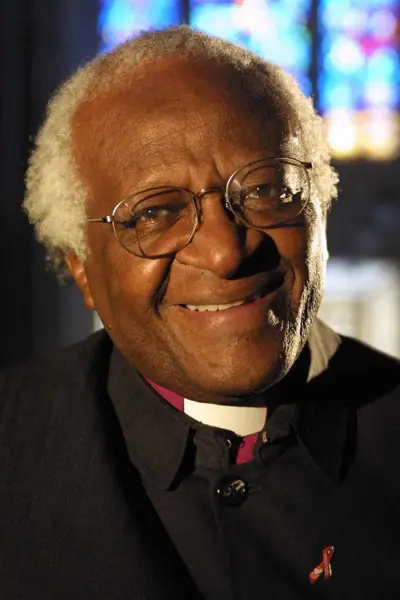
Desmond Mpilo Tutu OMSG CH GCStJ is a South African Anglican cleric and theologian, known for his work as an anti-apartheid and human rights activist. He was the Bishop of Johannesburg from 1985 to 1986 and then the Archbishop of Cape Town from 1986 to 1996, in both cases being the first black African to hold the position. Theologically, he sought to fuse ideas from black theology with African theology.
