Frances Wright Quotes
To give liberty to a slave before he understands its value is, perhaps, rather to impose a penalty than to bestow a blessing.
Wright, Frances. Views of Society and Manners in America. E. Bliss and E. White, 1821, p. 74.

The newly freed slave would have no practical chance of success in a capitalistic, competitive society unless he had the basic tools and property to earn a living and compete. This was mandated for the ancient Jews in the Law of Moses. This was not considered too seriously in Reconstruction after the Civil War, and much of the discrimination and racism might have been avoided if the freed slaves were all given some land as many were in general homesteading programs. These Blacks, and those that went to the industrial North where business owners provided them with the tools and resources in exchange for their labor, were generally the most successful.


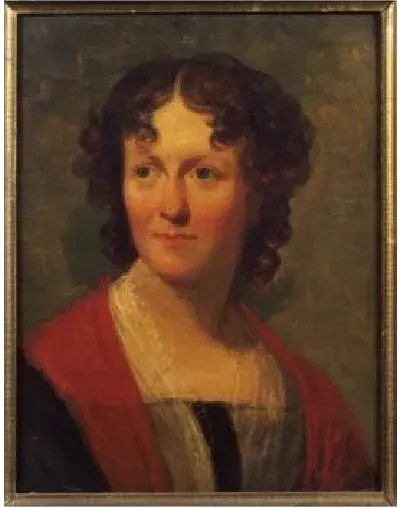
Frances Wright, widely known as Fanny Wright, was a Scottish-born lecturer, writer, freethinker, feminist, utopian socialist, abolitionist, social reformer, and Epicurean philosopher, who became a US citizen in 1825. The same year, she founded the Nashoba Commune in Tennessee, as a utopian community to demonstrate how to prepare slaves for eventual emancipation, but the project lasted only five years. In the late 1820s Wright was the first woman lecturer to speak publicly before gatherings of men and women in the United States about political and social-reform issues. She advocated universal education, the emancipation of slaves, birth control, equal rights, sexual freedom, legal rights for married women, and liberal divorce laws. Wright was also vocal in her opposition to organized religion and capital punishment. The clergy and the press harshly criticized Wright's radical views. Her public lectures in the United States led to the establishment of Fanny Wright societies and her association with the Working Men's Party, organized in New York City in 1829, became so strong that its opponents called the party's slate of candidates the Fanny Wright ticket.
