Jean-Paul Marat Quotes
To form a truly free constitution, that's to say, truly just and wise, the first point, the main point, the capital point, is that all the laws be agreed on by the people, after considered reflection, and especially having taken time to see what's at stake.
Marat, Jean-Paul. Projet de Déclaration des Droits de l'Homme et du Citoyen, Suivi d'un Plan de Constitution Juste, Sage et Libre. Buisson, 1789.

Declaration of Humanity. Printed in Japanese Newspapers. Contrast this with the previous Japanese political leadership tradition as {43746}


The public desire to know about and influence the details about diplomatic affairs is not just a problem of the 21st century. Here the Secretary of State describes it in 1922.

Meiji the Great. “Public Opinion” had the same meaning for the Japanese of this time as modern Western democracies perceive it with one exception. The public did not include all; it included only landlords— who owned land and had peasants on it. However, even asking them was an incredible step forward. The Emperor even sent formal written surveys to the landlords and in that sense, Japanese methodology of ascertaining public opinion was far ahead of the West. These reforms were opposed by the nobility and later the military, and by the 1930s there was no semblance of democracy left in Japan.


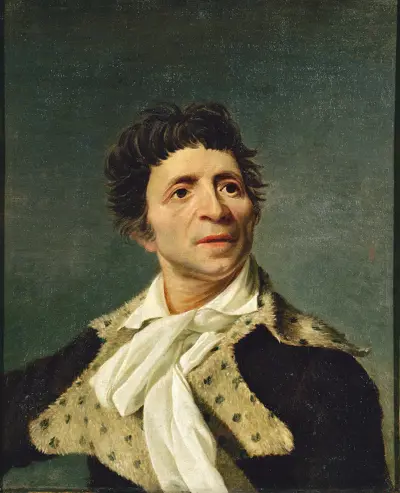
Jean-Paul Marat was a French political theorist, physician and scientist. He was a journalist and politician during the French Revolution. He was a vigorous defender of the sans-culottes and seen as a radical voice. He published his views in pamphlets, placards and newspapers. His periodical L'Ami du peuple (Friend of the People) made him an unofficial link with the radical Jacobin group that came to power after June 1793.
