Barry Goldwater Quotes
Thomas Jefferson rode his horse around the 13 Colonies to try to keep us from having a national religion. Mixing religion and politics doesn’t work.
Barry Goldwater, 1909-1998, U.S. Senator (Republican, AZ), Republican Nominee for President, Quoted in U. S. News & World Report, January 31, 1996
Sourced by: Eigen's Political and Historical Quotations

This is one of the key documents showing the “wall of separation of church and state” was in use in early America. Almost 200 years later the Chief Justice of the Supreme Court seemed ignorant of this communications. See William Rehnquist: {373663}


This is a critical quotation on the government establishment of religion issue. There are a few people who have argued over the years that the Founding Fathers and their culture was religious and where they were careful to avoid favoring one religion over another, they did NOT intend to put atheism on the same equal plane as religion as far as government action is concerned. However, some of the Founding Fathers were atheists, and some others like John Adams were deists—they believed in a God but not in the Trinity or in Judaism or any organized religion. So this quotation makes it clear that the First Amendment does NOT favor religion over non religion or secularism. Atheism must be on an equal footing but not on a higher plane.

Carter was personally one of the most religious of our Presidents.


This is a remarkable quotation in that it shows us that there was virtual unanimity about the separation of church and state including the various clergy who were in support of it. Yet in the 21st century there was considerable controversy among some fundamentalist groups who sought more religious influence and/or control of government policy and criminal laws.


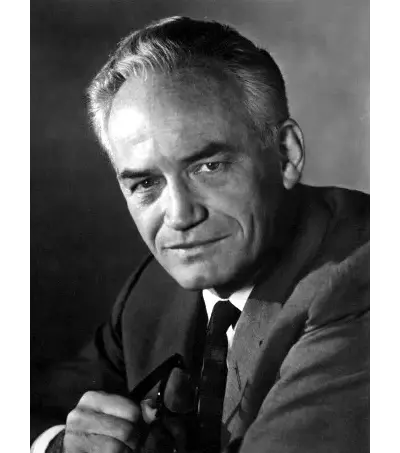
Barry Morris Goldwater was an American politician, statesman, businessman, United States Air Force officer, and author who was a five-term Senator from Arizona (1953–1965, 1969–1987) and the Republican Party nominee for president of the United States in 1964. Goldwater is the politician most often credited with having sparked the resurgence of the American conservative political movement in the 1960s. Despite his loss of the 1964 presidential election in a landslide, many political pundits and historians believe he laid the foundation for the conservative revolution to follow, as the grassroots organization and conservative takeover of the Republican party began a long-term realignment in American politics helped to bring about the "Reagan Revolution" of the 1980s. He also had a substantial impact on the libertarian movement.
