George Woodcock Quotes
They decided that unpaid leave could only be granted through the decision of a council that consisted almost entirely of scientists who couldn't understand my reasons for wanting to go so. They said no, no unpaid. So I immediately resigned.


After the military victory in Iraq, Garner was in charge of reconstruction and getting Iraqi civil servants paid. Then the President appointed Paul Bremer as the do facto Governor of Iraq. No sooner did Bremer arrive and take charge than he alienated most Iraqi and even American officials including Garner. Bremer wanted direct control of all civilian and military staff including Garner’s staff. Garner did go home, and Bremer totally controlled a difficult situation in post-war nation building of Iraq. By the end of Bremer’s tenure, the situation had deteriorated almost beyond repair.


Explaining his resignation as CIA Director


Norquist was a modern day Party Boss. He controlled a number of large PACS conservative lobbyists. His “issue” at the time was that no one should allow Congress to do anything unless it was agreed that under no circumstances that would there be taxes of any kind passed and no tax loopholes would be closed. He required Republican candidates and members to sign a pledge before he would give them any campaign money. About 90% did. A generally agreed bad law was a tax subsidy for farmers who grew corn for ethanol. Most Americans wanted to repeal it. Norquist sent letters to the Republicans telling them that voting for repeal was ok and he would not see it as violating their pledge. See Norquist’s response {623265} .
Actually, Clinton was historically wrong. There have been several occasions in American history where an unelected party boss was able to control and veto the Congressional actions of members of their own party. However. The earlier occasions were in the 19th century—Norquist was the first of the party bosses to amass that kind of control in modern times.
Ataturk, the great Turkish reformer, was interested in Turkish independence, development, and reform, but was uninterested in the day-to-day administration of government. He knew it had to be done and wanted his friend to be Prime Minister and run the government. Orbay realized that Ataturk would still be the major power in the nation.


The President told McNamara that if the administration does not send the troops the Generals want, they will be blamed for any military failures that occur. If they do send all the troops that the Joint Chiefs wanted, they would be going far beyond the limits that the Defense Secretary recommended and the President would have preferred. JBJ felt he really had no political choice. He authorized the wanted troops further escalating the war. See his special assistant’s question about that decision in {617151}.


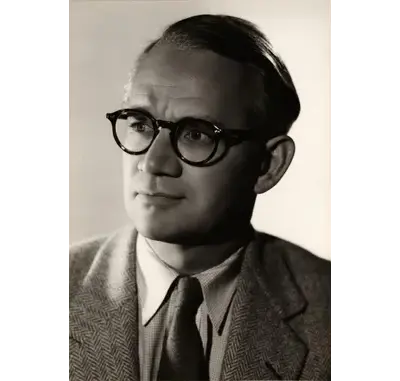
George Woodcock was a Canadian writer of political biography and history, an anarchist thinker, a philosopher, an essayist and literary critic. He was also a poet and published several volumes of travel writing. In 1959 he was the founding editor of the journal Canadian Literature which was the first academic journal specifically dedicated to Canadian writing. He is most commonly known outside Canada for his book Anarchism: A History of Libertarian Ideas and Movements (1962).
