Henry L. Stimson Quotes
There will be pestilence and famine in Central Europe next winter. This is likely to be followed by political revolution and Communist infiltration.
The condition of most of Europe towards the end of WWII was dire. However, even then it was clear that since there were organized communists (partisans who fought the Nazis during the war) many of them would try and dominate the postwar politics in many counties. This was no surprise to American planners and policy makers.
Henry L. Stimson, 1867-1950, U. S. Secretary of State (Republican), U. S. Secretary of War Governor General, Philippine Islands Memorandum to Harry S Truman, May 16, 1944
Sourced by: Eigen's Political and Historical Quotations

Hoover in his early career led the American relief effort to feed the starving of Europe after World War I. In addition to the major purpose of feeding people:


The convoy was heading for the city of Alleppo that had been under siege by the government for weeks. 22 UN Aid Workers were killed and half the cargo was destroyed. Syria had been in a Civil War for a number of years, and the Government of Bashar al-Assad had committed one atrocity after another. A cease fire had been agreed to and the UN notified all parties to the war about the humanitarian convoy’s schedule and route. It was not known whether the government had decided to attack the convoy to put more pressure on the people in Aleppo to end their rebellion or the attack was made by local commanders of government troops who did not want to see the pressure on Aleppo lifted.


The United States, Russia, England and many other counties clandestine services have actually don’t this in the past be whipping up the population of a country via agents, propaganda, and a host of other techniques. However, what was new was the added capability of digital cyber warfare and social media which can spread disinformation very efficiently.


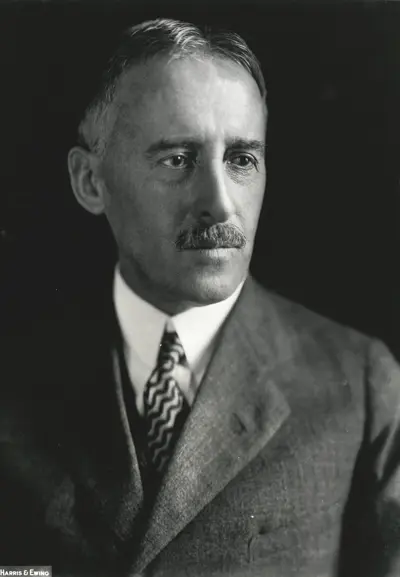
Henry Lewis Stimson was an American statesman, lawyer, and Republican Party politician. Over his long career, he emerged as a leading figure in U.S. foreign policy by serving in both Republican and Democratic administrations. He served as Secretary of War (1911–1913) under President William Howard Taft, Secretary of State (1929–1933) under President Herbert Hoover, and Secretary of War (1940–1945) under Presidents Franklin D. Roosevelt and Harry S. Truman.
