Robert Taft Quotes
There can be no doubt that criticism in time of war is essential to the maintenance of any kind of democratic government ... too many people desire to suppress criticism simply because they think that it will give some comfort to the enemy to know that there is such criticism. If that comfort makes the enemy feel better for a few moments, they are welcome to it as far as I am concerned, because the maintenance of the right of criticism in the long run will do the country maintaining it a great deal more good than it will do the enemy, and will prevent mistakes which might otherwise occur.
This had been a general, bipartisan principle from WWII through the Gulf War, but in the War on Terrorism, President George W. Bush and his administration deviated from the traditional American view and accused those who were criticizing their counter terrorism of aiding and abetting the enemy and attacked the loyalty and patriotism of their critics.
Robert Taft, 1889-1953, U. S. Senator (Republican, OH), Speech at the Executive Club of Chicago, December 19, 1941
Sourced by: Eigen's Political and Historical Quotations


Although it seems incredible to us today, thousands of people were arrested and prosecuted under the Espionage Act. The government particularly targeted leftists such as Eugene V. Debs, Bill Haywood, J. Philip Randolph, Victor Berger, John Reed, Max Eastman, and Emma Goldman. Debs was sentenced to 20 years in prison for criticizing the Act itself.


Assigned to the Treasury Department to create war bond posters


Some say that President Roosevelt had instructed the war department to issue warnings to the military forces in the Philippines and the Pacific. Military intelligence argued against the Japanese attack on the Philippines—and did not think any attack anywhere very likely. When the president insisted, warnings went out and this is what was sent to General Short. The warning was ambiguous and Short did very little and was caught unprepared shortly thereafter. How much reliance should be placed on intelligence estimates has been a question that has been argued before World War II and after.

He was writing on behalf of a VA nurse who had been accused of sedition for publicly criticizing the government. See {589454}.

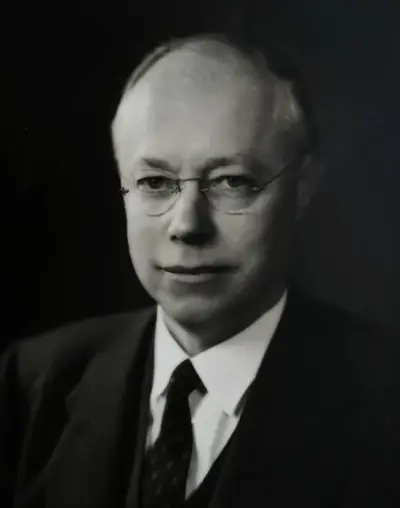
Robert Alphonso Taft Sr. was an American conservative politician, lawyer, and scion of the Republican Party's Taft family. Taft represented Ohio in the United States Senate, briefly served as Senate Majority Leader, and was a leader of the conservative coalition of Republicans and conservative Democrats who prevented expansion of the New Deal. Often referred to as "Mr. Republican", he cosponsored the Taft–Hartley Act of 1947, which banned closed shops, created the concept of right-to-work states and regulated other labor practices.
