Samuel Johnson Quotes
There are some sluggish men who are improved by drinking; as there are fruits that are not good until they are rotten.
Boswell, James. The Life of Samuel Johnson, LL.D. Charles Dilly, 1791.

This is one of the earliest observations of the fact that after drinking alcohol, a person is apt to speak without his usual inhibitions and judgment. This has been the downfall of many politicians and is the largest problem of maintaining secrecy and confidentiality.


This volume roughly is to Islam what the Gospels are to Christianity. To most Muslims The Sunnah is a collection of holy material on the life of Mohammed. It is not of the force or importance as the Koran, but it is revered. This quotation is in the third person and does not have the Prophet’s exact words.

When Judah P. Benjamin announced to the Confederate War Department that the Union Army had been defeated at Manassas on July 21, 1865, he spoke:


Ale has too often been praised by poets
The longer you drink the less sense your mind makes of things
Modern research has shown that the earliest deleterious effect of alcohol is impaired judgment and perception. It is fascinating that in this important set of advice from the chief God Odin, this was the problem that was focussed upon.


Alcoholism is a disease that has affected people of every occupation, every socioeconomic class, every color and nationality, and we all have seen instances so often that most people realize that anyone might be addicted to alcohol. The result is any accusation that someone is an alcoholic is plausible to most of us. As a result of this, it has become a favorite untrue slander in political attacks. Even when false it is believable as in the earlier decades of America, drinking heavily was a part of political culture and many would become addicted.


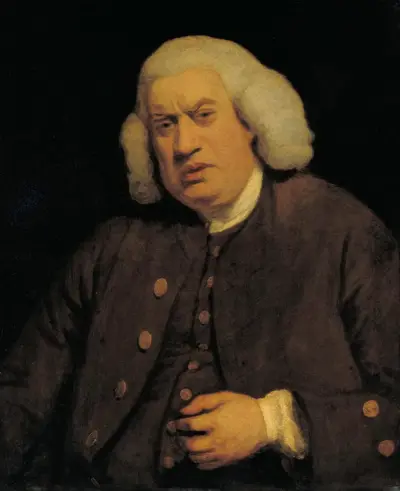
Samuel Johnson, often referred to as Dr Johnson, was an English writer who made lasting contributions to English literature as a poet, playwright, essayist, moralist, literary critic, biographer, editor, and lexicographer. Religiously, he was a devout Anglican, and politically a committed Tory. The Oxford Dictionary of National Biography describes Johnson as "arguably the most distinguished man of letters in English history". He is the subject of James Boswell's The Life of Samuel Johnson, described by Walter Jackson Bate as "the most famous single work of biographical art in the whole of literature".
