Irving Babbitt Quotes
The ultimate binding element in the medieval order was subordination to the divine will and its earthly representatives, notably the pope.
Babbitt, Irving. Democracy and Leadership. Houghton Mifflin Company, 1924, p. 69.

This notice of Excommunication was promulgated to the Catholic clergy in Ireland in May of 1538. It required all Roman Catholic leaders to size the property of Protestants or Catholics who sympathized with them. Those who did were then regarded as traitors by the Protestant King. The anti-Protestant feeling culminated with the massacre of about 100 Protestants who were drowned in Bann a few years later.


The Holy Roman Emperor and the Pope were at odds. The Pope had issued an edict staking out the powers of the Pope. King Henry called a conclave of clerics and deposed Pope Leo VII. The Pope Excommunicated Henry and deposed him as king and emperor. Civil war ensued, and finally they reached a compromise and accommodation with each other." Saint Hildebrand


Condoms and other birth control usage had been forbidden by the Catholic Church. However, most American Catholics utilized artificial birth control devices anyway. However, the official church positions inhibited and influenced politicians throughout the nations. Even as late as 1963 selling birth control devices was illegal in parts of America. A pharmacist was sentenced to jail for filling a prescription for a condom for a couple where the woman could not bear a child safely as the result of a physical condition. The Supreme Court reversed the conviction.

In modern times this would appear to be a most reasonable approach to quality and doctrinal control within a church. But keep in mind that these were to be promulgated by Catholic Kings and become the civil law of the land as well as the religious. So the Catholic Bishops were granted control of who could preach in any church in the Bishopric. The power of the state was there to back up the Bishops with criminal laws and law enforcement. This together with the Inquisition would counter the forces of Reformation—Protestants.


The Vatican & the Chinese Communist Government had been at odds for years with much of the Chinese church going underground. Fr. Jin had been jailed for a decade. Then the government allowed him and the Catholic Church and operate openly, but there were still Vatican conflicts over numerous issues including the right of the Government to approve senior appointments of church officials—a privilege the church claimed exclusively. The Vatican ordered Jin not to cooperate and especially not to reopen the national theological seminary which the government had ordered closed. There had been no training for Chinese priests and Jin wanted to reopen the national theological seminary but the Vatican refused cooperation waiting for the government to capitulate to the Vatican’s various demands. Fr. Jin defied the Vatican & reopened the seminary. Without officially admitting their failed tactics, the Vatican let the discipline issue against Jin drop & the national theological seminary thrived.

His response was to being asked whether he could do something with Russian Catholics to help Laval win favor with the Pope, to counter the increasing threat of Nazism. This quotation is often used as an example of Stalin’s disrespect for the Papacy. However, in this case, the Pope was extremely weak politically and some argue spiritually for he did not oppose Hitler and the Nazis very much. Defenders of the Papacy argue that Hitler had overwhelming force and little respect for the Pope, and ironically this was what Stain was referring to. Ironically, another Pope, John Paul, had a major part in bring down the Soviet Union and he had no divisions.
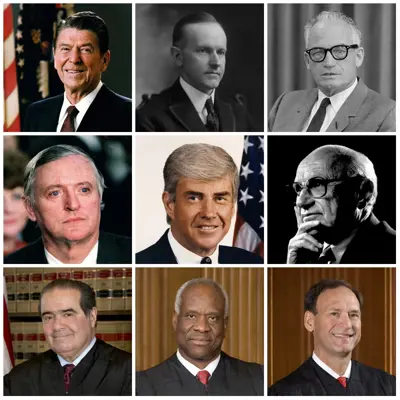
Irving Babbitt was an American academic and literary critic, noted for his founding role in a movement that became known as the New Humanism, a significant influence on literary discussion and conservative thought in the period between 1910 and 1930. He was a cultural critic in the tradition of Matthew Arnold and a consistent opponent of romanticism, as represented by the writings of Jean-Jacques Rousseau. Politically he can, without serious distortion, be called a follower of Aristotle and Edmund Burke. He was an advocate of classical humanism but also offered an ecumenical defense of religion. His humanism implied a broad knowledge of various moral and religious traditions. His book Democracy and Leadership (1924), is regarded as a classic text of political conservatism. Babbitt is regarded as a major influence over American cultural and political conservatism.
