Martin Luther King Jr. Quotes
The time has come for America to hear the truth about this tragic war. In international conflicts, the truth is hard to come by because most nations are deceived about themselves. Rationalizations and the incessant search for scapegoats are the psychological cataracts that blind us to our sins. But the day has passed for superficial patriotism. He who lives with untruth lives in spiritual slavery.
King, Martin Luther, Jr. "The Casualties of the War in Vietnam." 25 Feb. 1967, Los Angeles, CA.


The CIA was uncovering evidence that the military (and one of their key operative in Saigon) were lying about the success of the war effort. See {634521}. As the CIA sent their data to the White House, Rostow and others grew very distressed because it cast doubt on the wisdom of the administration’s Vietnam policy, the President would have to admit that his report to the people were wrong, and the anti-war movement would even be more galvanized in their aggressive protests. It is very hard for politicians to face the truth when it contradicts statement and policies they have been making previously. This quotation also illustrates a human frailty—that in a war or other conflict, the bearer of bad news is perceived as being disloyal. In war in a democracy, bad news, strengthens the enemy’s resolve, and weakens public support for the war. So in a bizarre sense, he who carries bad news is hurting the war effort. However, when the truth is not known or is suppressed, the result is even worse as with Vietnam. Telling truth to power is the highest form of loyalty.

Trumbo was morally opposed to war. He also refused to name Hollywood communists to Congressional Committees during the Red Scare. He was then blacklisted from his occupation, screen writing.


Theodore Roosevelt was the Presidential nominee. See {634097} and {585962}--Samuel Johnson, for a 1758 version of this idea.


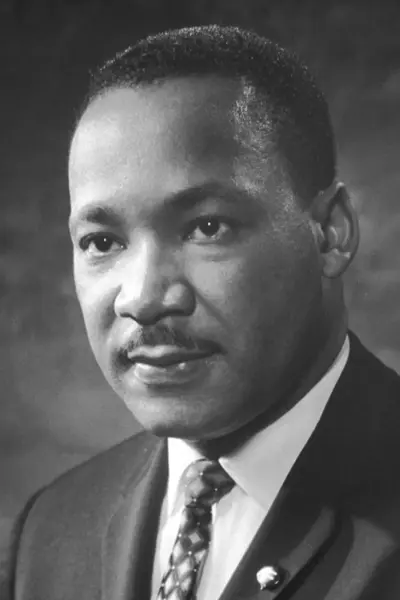
Martin Luther King Jr. was an African American Baptist minister and activist who became the most visible spokesperson and leader in the American civil rights movement from 1955 until his assassination in 1968. King advanced civil rights through nonviolence and civil disobedience, inspired by his Christian beliefs and the nonviolent activism of Mahatma Gandhi. He was the son of early civil rights activist Martin Luther King Sr.
