Mary Anderson Quotes
The shorter working day is the most essential thing in the lives of industrial workers. It means opportunities for life and self-development which are shut out by the whir of the machinery and the routine of the factory job at which the day is spent. It means also more efficiency on the job and better service to the employer.
At the time, 10 and 12 hour work days were common throughout the country and a movement had started to shorten the work day by legislation. Overtime payment over 8 hours was the eventual solution.
Mary Anderson, *, Chief, Women's Bureau, U. S. Department of Labor, "Should There Be Labor Laws for Women? No, Says Rheta Childe Dorr; Yes, Says Mary Anderson," Good Housekeeping, September 1925
Sourced by: Eigen's Political and Historical Quotations


This is one of the earliest calls for the 8 hour work day.


The U. S. Senate had deteriorated to the point where Senators were only working 3 days per week—Tuesday through Thursday. The Senators would spend the other 4 days in their home states—usually raising money for the next election where millions of dollars will be needed.


He had squads of thugs that he would “rent” out to other gangsters for their enforcement activities and to unions to protect themselves from goons and intimidate non union workers. However, he would not let his men work as goons and strike busters or for companies—despite huge pay offers—to keep their workers in line, a common practice at the time.


He did not comment on why women who work overtime and outdoors or nights and weekends on risky jobs make less than the males who do the same.

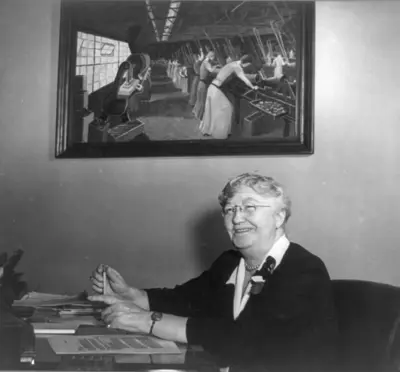
Mary Anderson was an American labor activist and an advocate for women in the workplace.
