King Vidor Quotes
The Screen Directors Guild was organized solely by and for the motion picture director... We are not anti-anything: The Guild being formed for the purpose of assisting and improving the director's work in the form of a collective body, rather than as an individual, as was necessary in the past.
Vidor, King. Screen Directors Guild Founding Statement. Screen Directors Guild, 1936.

His prediction turned out to be accurate, and he went on to write Exodus, Spartacus and many other films. He never signed a studio contract again but worked picture by picture. He and the 9 others refused to answer a Congressional Committee’s questions about their political beliefs and affiliations. Trumbo served a year in jail for Contempt of Congress and then was blacklisted for years, but he was so good that Otto Preminger broke the Blacklist and hired him whereupon he was employed in many of the major films. He had actually won an Academy Award writing under the name of Robert Rich.


The strike went on. See Mitchell’s later statement: {607757}.

The left has always been ambivalent about automation. Many object to it on the grounds that it puts men out of work. However, others such as Lafage, argued that automation was the only economic way to reform the working hours and conditions of labor. The problem at the time was that as long as labor was so cheap, there was no motivation for the manufacturer to invest in better machinery. He and many others argued that minimum wages and their increases increase productivity because it would force manufacturers to invest in more productive equipment to reduce their labor costs.
These work hours, 6 days a week were typical for Russian workers of the time. The Russian workers were ripe for any revolution or reform that promised a better life.
Labor reform was a burning issue in most of the industrialized countries of the world. The two areas that legislation was under consideration all over were working hours and child labor. There were no overtime provisions, employers were free to require workers to work 7 days for as many hours as they wanted. There were no limitations on the use of child labor. This is one of the classic conservative oppositions to these reforms. Ironically to us today, those against reform argued that it was disrespectful of the working man to take away his freedom to work whatever hours he so chose, and it was disrespectful of the workers role as a head of family to decide for him when and under what conditions his children could work. Germany at the time was a very dramatic example of the struggle as the Chancellor was opposed to all labor reform and Kaiser Wilhelm II felt that reforms were needed. The two most powerful Germans were split on this issue as were people in most countries.

At the time, the mine owners and operators claimed that they had NO obligations to their workers—not even to ensure a safe mine. There was no OSHA and workers died and were maimed on the job much more frequently than they do today. Many mine owners now accept that they have obligations to the workers, and the rest are required to have responsible and safe working conditions by law and OSHA regulations.

He had squads of thugs that he would “rent” out to other gangsters for their enforcement activities and to unions to protect themselves from goons and intimidate non union workers. However, he would not let his men work as goons and strike busters or for companies—despite huge pay offers—to keep their workers in line, a common practice at the time.


This is one of the classic labor-management problems. It can be solved by legislating minimum wages, having very strong labor unions, that can pressure all the employers of an industry at once, or to have industrial unions as they do in Germany.


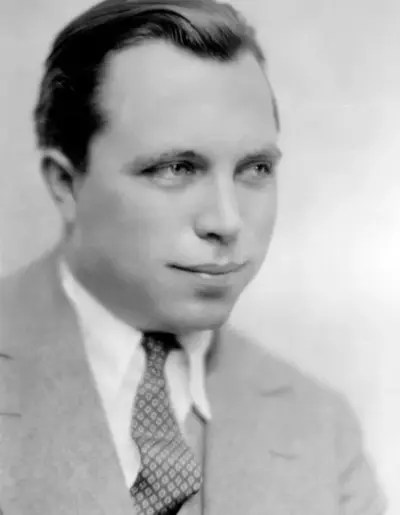
King Wallis Vidor was an American film director, film producer, and screenwriter whose 67-year film-making career successfully spanned the silent and sound eras. His works are distinguished by a vivid, humane, and sympathetic depiction of contemporary social issues. Considered an auteur director, Vidor approached multiple genres and allowed the subject matter to determine the style, often pressing the limits of movie-making conventions.
