Edmund Burke Quotes
The Saxon laws … decided almost all matters of any doubt amongst them by methods which, however inadequate, were extremely simple. They judged every controversy either by the conscience of the parties, or by the country’s opinion of it, or what they judged an appeal to Providence. They were unwilling to submit to the trouble of weighing contradictory testimonies; and they were destitute of those critical rules by which evidence is sifted, the true distinguished from the false, the certain from the uncertain.
Appeals to Providence included Trial by Fire, Trial by Water and related Trial by Ordeal. See Wikipedia: http://en.wikipedia.org/wiki/Trial_by_ordeal for explanations of these.
Edmund Burke, 1729-1797, Irish Orator & Member of the British Parliament, Abridgment of English History
Sourced by: Eigen's Political and Historical Quotations


Charles I was tried by Parliament but at the time there was the concept of Royal Impunity and there was no existing crime that he could be charged with despite the murder of many of his citizens. Cooke established the legal precedent making Tyranny a crime. See {624032}.


This quotation is a great example of the difficulty of deciding some of the major Constitutional issues. Most reasonable people believe that Rehnquist certainly has a point. On the other hand, critics observe that this quotation essentially says that it is OK to convict an innocent person if it cost too much or be too much trouble to do so. Reasonable people would also agree that this objection has much merit also. So the judicial system is stuck with deciding when the cost or trouble is too much. There will never, can never, be a clear cut answer.

Rynnymede was the location in England where the Barons of the realm confronted King John and forced him to sign the Magna Carta. This was the first event that limited the powers of the King


Early American law and procedure was English law and procedure.

This clause is a real puzzlement to non-Muslims throughout the world. What it means is that a person is allowed to murder certain other people—the “blood” was permitted. These include homosexuals, heretics. blasphemers, and those individuals who have had Fatwas—Islamic legal opinions—calling for their death as enemies of Islam. So if a Muslim cleric issues a fatwa calling for the death of someone, anyone who can kill the person will be exonerated. Under Sharia, a Muslim who murders his own daughter or sister because she violated the sexual taboos of Islam, is exonerated because in this case the blood of the victim was permitted. It is the same for murdering a homosexual, or someone who converts from Islam to Christianity.

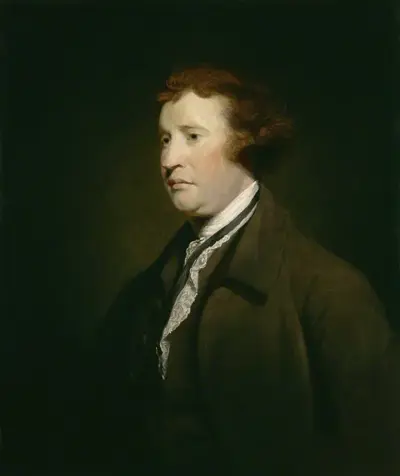
Edmund Burke was an Irish statesman, economist, and philosopher. Born in Dublin, Burke served as a member of parliament (MP) between 1766 and 1794 in the House of Commons of Great Britain with the Whig Party after moving to London in 1750.
