J. William Fulbright Quotes
The President has full responsibility, which cannot be shared, for military decisions in a world in which the difference between safety and cataclysm can be a matter of hours or even minutes.
J. William Fulbright, 1905-1995, U. S. Senator (Democrat, AR), Chairman, Senate Foreign Relations Committee, "American Foreign Policy in the 20th Century Under an 18th Century Constitution," Cornell Law Quarterly, Fall 1961
Sourced by: Eigen's Political and Historical Quotations

Although the two men differed on a very important issue, each admired the other and acquitted themselves politely throughout. Congress explicitly gave the President the powers that he had exercised and won the dispute. But Dixon had also won, and upheld the law as it existed until it was changed.


Ironically, Lieberman was using this quotation to campaign against Bush’s son, George W. Bush.


On military or foreign policy matters his view was that presidents ought not to rule anything in or out so that he/she can keep all the options open and not reduce future flexibility.


3 years later he led America on a huge invasion and nation building project in Iraq. It turned out that had he listened to his own advice and not flip-flopped, the huge cost of the Iraq War might have been avoided.


He was arguing that normal Constitutional limitations should not apply to the President in wartime.

The Vietnam War was certainly not a victory for the U. S. Some saw it as our first defeat. While it was not ended on Johnson’s watch, he must certainly share that responsibility with Nixon and even JFK as these three all were responsible for our Vietnam failure. Johnson, ended up with what he feared most.


The President told McNamara that if the administration does not send the troops the Generals want, they will be blamed for any military failures that occur. If they do send all the troops that the Joint Chiefs wanted, they would be going far beyond the limits that the Defense Secretary recommended and the President would have preferred. JBJ felt he really had no political choice. He authorized the wanted troops further escalating the war. See his special assistant’s question about that decision in {617151}.

Barry Goldwater in the 20th century used a variation of this quotation. See {601784}.

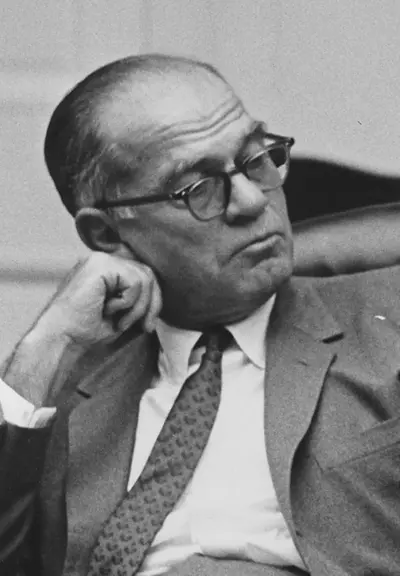
James William Fulbright was an American politician, academic, and statesman who represented Arkansas in the United States Senate from 1945 until his resignation in 1974. As of 2021, Fulbright is the longest serving chairman in the history of the United States Senate Committee on Foreign Relations. He is best known for his staunch multilateralist positions on international issues, opposition to American involvement in the Vietnam War, and the creation of the international fellowship program bearing his name, the Fulbright Program.
