Luther S. Dixon Quotes
As not infrequently happens in the affairs of war, it is easier to point out mistakes after they are committed, than to see and avoid them amid the difficulties and dangers by which the military commander is at the moment surrounded.
Although the two men differed on a very important issue, each admired the other and acquitted themselves politely throughout. Congress explicitly gave the President the powers that he had exercised and won the dispute. But Dixon had also won, and upheld the law as it existed until it was changed.
Luther S. Dixon, 1825-1891, Chief Justice of the Wisconsin Supreme Court, Statement regarding a legal dispute that he and the Wisconsin court was having with President Abraham Lincoln over Lincoln’s use of extra-legal measures, 1863
Sourced by: Eigen's Political and Historical Quotations


1st Baron Verulam. While most agree with the importance of this principle, it is easy to say and very hard to do. Appointing or electing leaders for wartime situations has always been difficult as it involves predicting how people will behave in the future. In WWII for example, many American and German Generals were fired. Adolf Hitler was the classic example of a very popular politician and demagogue who did not have a steady hand but whose maniacal lurches actually weakened the German military effort despite the morale contribution his popularity made.


The “surge” was the short term injection of a large number of American combat troops into Iraq when the Iraq War was going badly. President George W. Bush, who at the urging of Vice President Cheney and the neoconservatives had invaded Iraq and while the invasion went well the administration botched the so-called peace and America was in the midst of a Iraqi civil war. Bush went ahead with the surge despite the advice of the Joint Chiefs. What makes the quotation particularly interesting, beyond the fact that the senior military advice was ignored, was that the President had always campaigned on the principle that the President should listen to the senior American Military officials on military tactics and strategy. He like Franklin Roosevelt, Harry Truman, Dwight Eisenhower, John F. Kennedy, and other presidents found that the military leadership perspective was often very narrow and not even militarily infallible. The Iraq War turned in our favor after the surge albeit that there have been arguments since then as to whether or not the surge was the reason or was it due to other factors which occurred at the same time. Probably, all were factors.

The President told McNamara that if the administration does not send the troops the Generals want, they will be blamed for any military failures that occur. If they do send all the troops that the Joint Chiefs wanted, they would be going far beyond the limits that the Defense Secretary recommended and the President would have preferred. JBJ felt he really had no political choice. He authorized the wanted troops further escalating the war. See his special assistant’s question about that decision in {617151}.


He lost the vote on this issue, and the Congress created the first committee to investigate and oversee military affairs.

The Vietnam War was certainly not a victory for the U. S. Some saw it as our first defeat. While it was not ended on Johnson’s watch, he must certainly share that responsibility with Nixon and even JFK as these three all were responsible for our Vietnam failure. Johnson, ended up with what he feared most.


He had wanted more troops for the Afghan War than President Obama would approve. The Republican members of the Congress tried to make the difference a major issue of a President not supporting his commanders. The General made this brilliant response.


If a military loses a war, it has shown to be insufficient quality; if it wins, the evaluation is good. With all the talk about what makes for an effective and quality military, as the General states, it is war that is the final arbitrator. So ideally we never want to really know how good our military is.


Ikle wrote this over a decade before both the military and civilian leaders fell into this trap in the 1994 Iraq War.


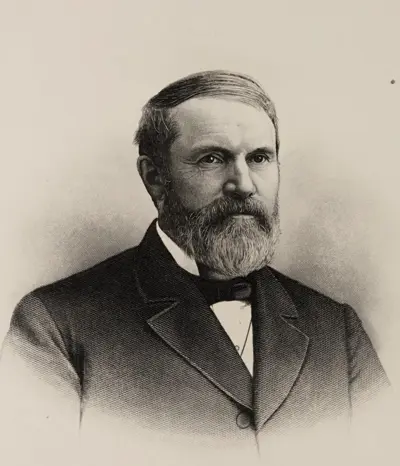
Luther Swift Dixon was an American lawyer and judge, and was the 4th Chief Justice of the Wisconsin Supreme Court.
