Elias B. Caldwell Quotes
The more you improve the condition of these people, the more you cultivate their minds, the more miserable you make them in their present state.
David Walker was a Black Abolitionist who also argued to improve the lot of Negro slaves by educating them and allowing them to participate in Christian worship. Caldwell warned him that since it was unlikely to end slavery, educating the slaves might make them more miserable as they would learn of other possibilities under which most men lived.
Elias B. Caldwell Advice to Abolitionist David Walker ~1830
Sourced by: Eigen's Political and Historical Quotations


This was the first of the famous Lincoln-Douglas Debates. The men were contesting for the U. S. Senate. Douglas won the election.


The letter was written 9 days after the Battle of Bunker Hill.

By 1870 there were over 1000 schools in the South that had been founded and operated by the Freedmen’s Bureau. Despite the racist, negative stereotypes of Negroes, many of them were just the opposite from the stereotype as this quotation demonstrates.


Many historians of higher education to not agree with Wilder’s overall generality. However, it was certainly the case that slavery was a major factor in generating the funds for some early universities in the North, but others were “hotbeds” of abolition from their very inception.

The minister was the leader of a sect that had emigrated from Germany to the new colony of George where slavery had been banned but wealthy planters were pointing to South Carolina north of them where slavery was producing riches for the slave owners and asking the Trustees back in England to allow slavery as they were at a competitive disadvantage. Oglethorpe, the leader of the community argued against slavery and was joined by other community leaders including Reverend Boltzius, The argued that slavery would curtail the opportunity for common white men. In this quote Boltzius pointed to Charlestown South Carolina to show the effect that slavery produced there. The wages for slaves, were wages paid to the slave’s owner. While plantation slavery was the most common form of slavery, but many slave owners without large plantations simply rented out his slaves. In some cases, the slaves were taught trades like carpentry so the owner could receive ore for his work. But the system allowed the slave owner to undercut the market, and all a white worker could make was the wage that slave owners were demanding for slave labor.


This was Lincoln’s first anti—slavery speech and it was memorable.
One of the most amazing things about Abraham Lincoln is the way he grew and matured over time. In 1854 he was not sure that the Negro could be the equal of the white. As he met more Black leaders, saw more, reflected more, and had more responsibility, he grew and developed his views on race. But it was statements like this that led to the great distrust that the very strong abolitionists like Wendell Phillips had in him.


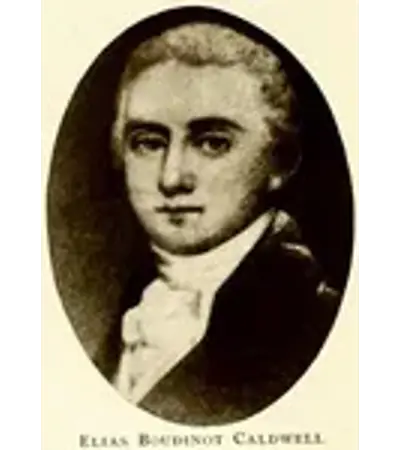
Elias Boudinot Caldwell was a Clerk of the Supreme Court of the United States.
