Ralph Waldo Emerson Quotes
The lord is the peasant that was,
The peasant is the lord that shall be.

In 1927 there was a Peasant Uprising in the Hunan Province of China. Young Mau went there and wrote a report. Corruption has plagued China for millennia. As can be seen by this quotation, Mao thought that a “people’s revolution” would end corruption and despite capital punishment for corruption under the Communist government, corruption still thrived. By the 21st century corruption was common among local Communist Party Officials despite national party and government attempts to obliterate it.


The Russian autocrat found it hard to believe that peasants and merchants could have any rights at all as they did in England. He faulted the female ruler, the great Queen Elizabeth I. By modern standards Elizabeth had awesome power and the English People very little, but Elizabeth was relatively restrained in her use of power and paid attention to the effect of affairs of state had on the people." Ivan the Terrible


Those landlords who had killed peasants were sometimes executed as prior to the Peasant Uprising, there was no law enforcement against landlords in rural areas like Hunan. In 1927 there was a Peasant Uprising in the Hunan Province of China. Young Mau went there and wrote a report. Many years later when Mao was a major revolutionary leader, the landlords were often executed and not just humiliated.


Hammond’s rhetorical tactic was to then argue that it was better to have Blacks be the lower class than whites—hence slavery was a logical conclusion.

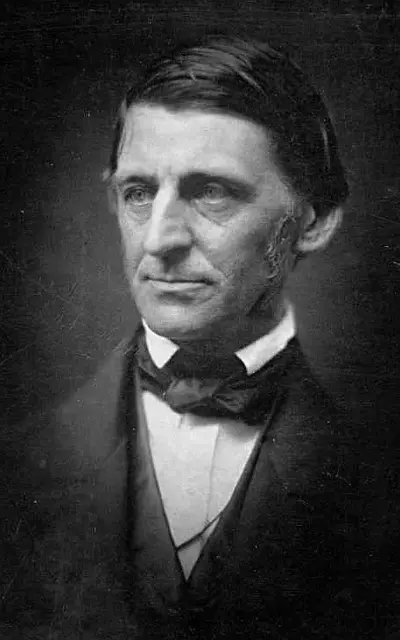
Ralph Waldo Emerson, who went by his middle name Waldo, was an American essayist, lecturer, philosopher, abolitionist and poet who led the transcendentalist movement of the mid-19th century. He was seen as a champion of individualism and a prescient critic of the countervailing pressures of society, and he disseminated his thoughts through dozens of published essays and more than 1,500 public lectures across the United States.
