Isabella Bird Quotes
The kimono, haori, and girdle, and even the long hanging sleeves, have only parallel seams, and these are only tacked or basted, as the garments, when washed, are taken to pieces, and each piece, after being very slightly stiffened, is stretched upon a board to dry.
Bird, Isabella L. Unbeaten Tracks in Japan. John Murray, 1880.


Over 200 years later Ataturk, the leader of Turkey, also mandated Western dress. The theory was that by adopting Western dress, other Western modernization would follow. Another benefit is that a populous sees visible change and is therefore more open to additional change and modernization. In the case of Turkey, there was a social hierarchy that was indicated by dress and requiring western dress eliminated these outward and visible signs of rank thus promoting equality. In Russia, it was an earlier time and Peter’s Russians were much more backward than the Turks of over 200 years later.


At the time, headwear identified the wearer’s caste and class. Fezes, Turbans, etc. were eliminated in favor of hats. This was Ataurk’s solution to two problems: He wanted to have Turkey modernize and develop along the lines of Western democracy and the traditional Islamic headgear being replaced by Western hats were daily symbols of the national modernization. The second advantage was that Turks could no longer identify caste and class by the traditional headgear and the society became much more egalitarian which it has been ever since.

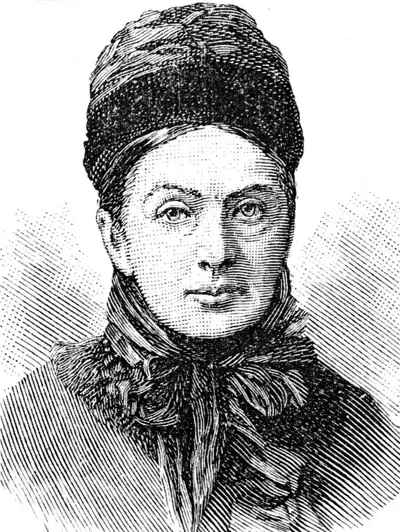
Isabella Lucy Bird, married name Bishop FRGS, was a nineteenth-century British explorer, writer, photographer, and naturalist. With Fanny Jane Butler she founded the John Bishop Memorial hospital in Srinagar. She was the first woman to be elected Fellow of the Royal Geographical Society.
