B. H. Liddell Hart Quotes
The implied threat of using nuclear weapons to curb guerrillas was as absurd as to talk of using a sledge hammer to ward off a swarm of mosquitoes.
Hart, B. H. Liddell. Deterrent or Defense: A Fresh Look at the West's Military Position. Praeger, 1960.


He fought in Algeria and other counterinsurgencies and then studied them. He wrote the classic book on counterinsurgency warfare. After all the mistakes the U. S. made after the successful invasion of Iraq, his book and doctrine were very influential in the change in strategy and tactics that turned the Iraq War in our favor.

This was his last publication. He died of a heart attack as the magazine was being printed. Since this was written one other possible use of nuclear weapons has been suggested—namely, retaliation for a biological attack. From a policy point of view, maintaining an arsenal of biological weapons for retaliatory purposes is dangerous and use for retaliation of biological weapons is not very controllable and arguably less humane than a nuclear weapon. His point however still holds. We have to have a national defense policy against many threats and we have to have defense policies that handle all these without nuclear tactics is insufficient to handle any of the threats without causing more problems and we have other weapons and techniques that are just as, if not more, effective. They and systems under development have the major role in our current defense policy.
The alternative deterrent was to maintain an army of over 2 million men overseas in both Europe and Asia, and the cost was much greater than the then perceived cost of nuclear weapons. At the time no one figured the cost of coping with the radioactive material and waste as well as the cleanup of nuclear bomb factories like Hanford. These costs were still not known byt the 21st century.


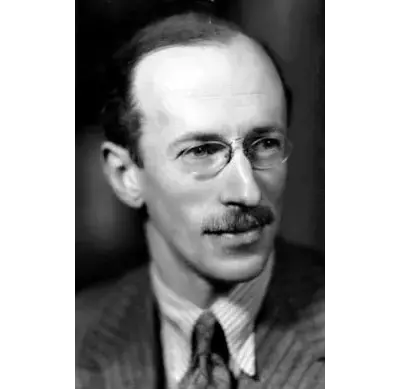
Sir Basil Henry Liddell Hart, commonly known throughout most of his career as Captain B. H. Liddell Hart, was a British soldier, military historian and military theorist. He wrote a series of military histories that proved influential among strategists. He argued that frontal assault was a strategy that was bound to fail at great cost in lives, as happened in the First World War. He instead recommended the "indirect approach" and reliance on fast-moving armoured formations.
