John Stuart Mill Quotes
The great writers to whom the world owes what religious liberty it possesses, have mostly asserted freedom of conscience as an indefeasible right, and denied absolutely that a human being is accountable to others for his religious belief. Yet so natural to mankind is intolerance in whatever they really care about, that religious freedom has hardly anywhere been practically realised, except where religious indifference, which dislikes to have its peace disturbed by theological quarrels, has added its weight to the scale.
Mill, John Stuart. On Liberty. John W. Parker and Son, 1859, ch. 2.


Note the absolutism of the word unbounded.


Henry of Navarre

Despite this clear statement, later the Colonial legislature withdrew the franchise from Roman Catholics. See {624149}. Despite this temporary restriction of religious freedom, Rhode Island and Connecticut were far ahead of the other New England colonies in freedom of conscience.


Martin wanted William Howard Taft to answer questions about his religious beliefs. Taft was TR’s selection to be his successor. Ironically, a starting with John F. Kennedy, many presidential candidates have been asked about their religious belief’s and have answered whereas Roosevelt would have them not reply to such inquiries.


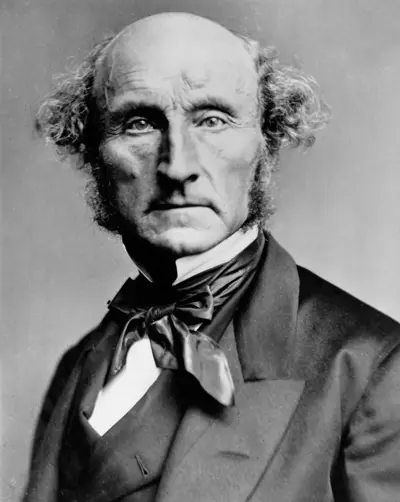
John Stuart Mill, usually cited as J. S. Mill, was an English philosopher, political economist, Member of Parliament, and civil servant. One of the most influential thinkers in the history of classical liberalism, he contributed widely to social theory, political theory, and political economy. Dubbed "the most influential English-speaking philosopher of the nineteenth century", he conceived of liberty as justifying the freedom of the individual in opposition to unlimited state and social control.
