A. J. P. Taylor Quotes
The great armies, accumulated to provide security and preserve the peace, carried the nations to war by their own weight.
Taylor, A. J. P. The Struggle for Mastery in Europe 1848-1918. Oxford University Press, 1954, p. 528.


At that time there were extensive meetings and discussions for the creation of what was to be the United Nations. The negative view of the United Nations or other international security organization is now and always has been held by a vocal minority in the United States.


This was Ford in the middle of his career. As he got older, he changed radically. He was later one of the biggest supporters and admirers of Adolf Hitler and his aggressive militarism.

With a professionalized all volunteer military, most of whom came from just a few socio-economic strata of our society, wars at the time were fought and the risks and burdens borne by a small part of American society. The rest of society, unlike the Second World War did not experience any change in their style or standard of living.


The most important weapons of the time involved gunpowder or other explosives, and the chemist was the most important weapons maker until the middle of the 20th century when a weapons system was first designed that did not use chemical explosives—nuclear weapons. Then the physicists became predominant.
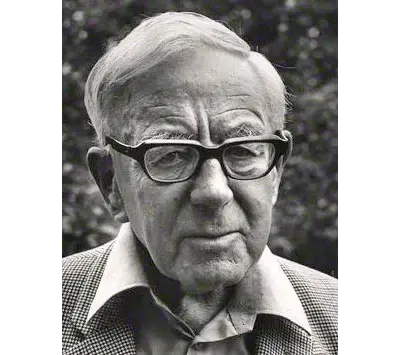
Alan John Percivale Taylor FBA was a British historian who specialised in 19th- and 20th-century European diplomacy. Both a journalist and a broadcaster, he became well known to millions through his television lectures. His combination of academic rigour and popular appeal led the historian Richard Overy to describe him as "the Macaulay of our age". In a 2011 poll by History Today magazine, he was named the fourth most important historian of the previous 60 years.
