Bertolt Brecht Quotes
The first time it was reported that our friends were being butchered there was a cry of horror. Then a hundred were butchered. But when a thousand were butchered and there was no end to the butchery, a blanket of silence spread. When evil-doing comes like falling rain, nobody calls out "stop!" When crimes begin to pile up they become invisible. When sufferings become unendurable the cries are no longer heard. The cries, too, fall like rain in summer.
Brecht, Bertolt. Poems 1913-1956. Edited by John Willett and Ralph Manheim, Methuen, 1976, p. 301.


First Published American Indian Author. His last public speech. He was referring to a horrible massacre of Christian Indians and the polarizing effect that such conflicts had. Whosoever publicly castigated a massacre of whites or Indians would be met by accusations of condoning the massacres of the other side and ignoring the inevitable and natural seeking of retaliation for future protection and revenge.


Bangladesh was a part of Pakistan that was treated as a second class area by the Pakistan government. Some Bengalis in Dhaka demonstrated in protest and many were murdered by the Pakistani military and security forces. Rahman called on the government to right the situation. Nothing happened and finally Bangladesh revolted and gained their independence.

While there is often considered to have been only one Holocaust, the headline Another Armenian Holocaust implies there were multiple holocausts in Armenia


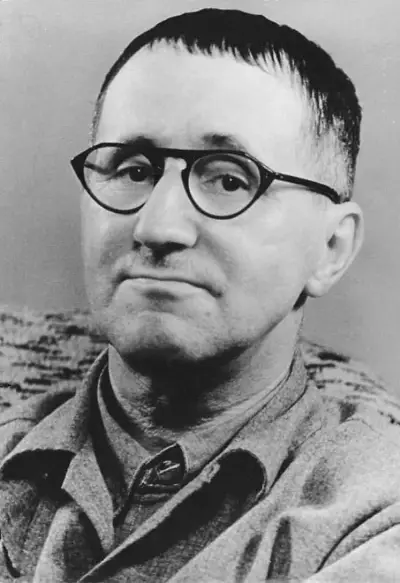
Eugen Berthold Friedrich Brecht, known professionally as Bertolt Brecht, was a German theatre practitioner, playwright, and poet. Coming of age during the Weimar Republic, he had his first successes as a playwright in Munich and moved to Berlin in 1924, where he wrote The Threepenny Opera with Kurt Weill and began a lifelong collaboration with the composer Hanns Eisler. Immersed in Marxist thought during this period, he wrote didactic Lehrstücke and became a leading theoretician of epic theatre (which he later preferred to call "dialectical theatre") and the so-called V-effect.
