Kurt Vonnegut Quotes
And what do the birds say? All there is to say about a massacre, things like "Poo-tee-weet?
Vonnegut, Kurt. Slaughterhouse-Five. Delacorte Press, 1969, p. 19.


The Christian Crusaders had captured Jerusalem and slaughtered the Muslim civilian inhabitants. In the 21st century, some Islamic terrorists justified the beheading of captured Christian prisoners as revenge for this massive Christian beheading of Muslims almost 1,000 years earlier.


The Armenian-Turkish enmity was vicious to the point that each people tried to kill and exterminate the other—men women and children. The atrocities committed by the Armenians were unfortunately matched by the Turks in what is now referred to as the “Armenian Genocide”—see {51838} The armed combatants amongst Turks and Armenians were in the minority yet each side slaughtered all members of the other whenever they could. The hatred still prevails – see {588211}. And Turks and Armenians both still accuse the other of atrocities of the period and appear in denial about their own violence.
First Published American Indian Author. His last public speech. He was referring to a horrible massacre of Christian Indians and the polarizing effect that such conflicts had. Whosoever publicly castigated a massacre of whites or Indians would be met by accusations of condoning the massacres of the other side and ignoring the inevitable and natural seeking of retaliation for future protection and revenge.


He was then a young Lieutenant.

Mombassa—later Kenya—was then one of the Islamic Kingdoms of people then referred to as Moors. There were both white and black Moors. The “great lord” was Dom Francisco, Portuguese Viceroy of India.


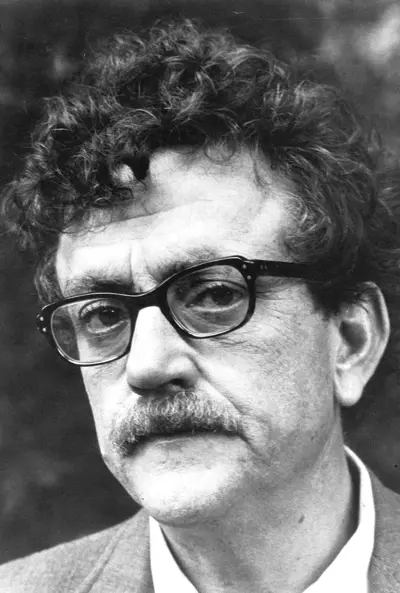
Kurt Vonnegut Jr. was an American writer. In a career spanning over 50 years, he published 14 novels, three short story collections, five plays, and five nonfiction works, with further collections being published after his death.
