Charles Percy Snow Quotes
The euphoria of secrecy goes to the head.
C. P. Snow, 1905-1980, British Scientist & Man of Letters, Observation about secrecy and the CIA
Sourced by: Eigen's Political and Historical Quotations


1st Earl Lloyd-George of Dwyfor


The “wrong” people to Helms. Were Americans who disagreed with his methods and politics—especially members of Congress who wanted to make the CIA more accountable for its actions. If nothing is ever written down and everything is secret, there is no practical way of holding the agency accountable in a democracy. Helms was later convicted to perjury for lying to Congress.

Privacy was a much more important value then and for Smith and most contemporaries there should be NO compromising records kept at all. Keeping records secret was itself an unacceptable compromise.


Nixon was the ultimate pragmatist and used secrecy wherever he felt it might give him an advantage. His logic was that in the American system, the Judicial Branch was the only set of people who could pronounce something illegal. If the issue were secret, the judges could not see it, and therefore could never declare it illegal.


This is a major issue for the nation. How can the president be responsible if he is not informed? However, some argue that the President must have “plausibility deniability” so he can deceive foreign leaders without lying to them. The laws require that nothing may be withheld from the President but there are some in the agency including past directors who believe that they sometimes should lie to the President or withhold information when it is in the national interest—which of course only they judge without any checks and balances.


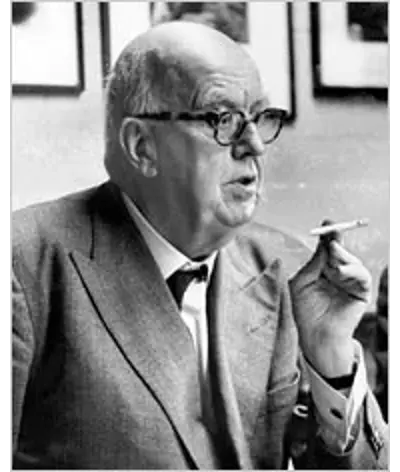
Charles Percy Snow, Baron Snow, CBE was an English novelist and physical chemist who also served in several important positions in the British Civil Service and briefly in the UK government. He is best known for his series of novels known collectively as Strangers and Brothers, and for The Two Cultures, a 1959 lecture in which he laments the gulf between scientists and "literary intellectuals".
