James M. Barrie Quotes
The Elizabethan age might be better named the beginning of the smoking era.
Barrie, J. M. My Lady Nicotine. Hodder & Stoughton, 1890.


What is extremely ironic is that Heriot and the English thought tobacco was very healthy for the user. Between this error and the addictive properties of tobacco, more people have been killed by tobacco than any other substance on earth. Heriot also discovered the potato, and was the first man to introduce it to England. Prior to that, this staple of the European diet was unknown in Europe.

Henry Ford had an absolute phobia about tobacco. Although the terrible carcinogenic effect of smoking was not known at the time, Ford was convinced that cigarettes deteriorated the brain and turned people into criminals. He banned smoking in all Ford plants and offices. This is a good example of doing the right thing for the wrong reason.


Marijuana had been made legal in a number of states at that time. Based on the example of New York City, many other cities of the world were just then passing ordinances to make it illegal to smoke in any public place or any private establishment that serves the public.


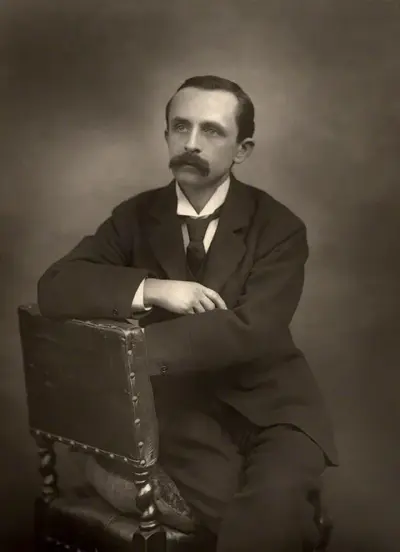
Sir James Matthew Barrie, 1st Baronet, OM was a Scottish novelist and playwright, best remembered as the creator of Peter Pan. He was born and educated in Scotland and then moved to London, where he wrote a number of successful novels and plays. There he met the Llewelyn Davies boys, who inspired him to write about a baby boy who has magical adventures in Kensington Gardens (first included in Barrie's 1902 adult novel The Little White Bird), then to write Peter Pan, or The Boy Who Wouldn't Grow Up, a 1904 "fairy play" about an ageless boy and an ordinary girl named Wendy who have adventures in the fantasy setting of Neverland.
