Henry Ford Quotes
Study the history of almost any criminal and you find an inveterate cigarette smoker
Henry Ford had an absolute phobia about tobacco. Although the terrible carcinogenic effect of smoking was not known at the time, Ford was convinced that cigarettes deteriorated the brain and turned people into criminals. He banned smoking in all Ford plants and offices. This is a good example of doing the right thing for the wrong reason.
Henry Ford, 1863-1947, Industrialist & Philanthropist, Quoted in Jonathan R. Logsdon, Power, Ignorance, and Anti-Semitism: Henry Ford and His War on Jews
Sourced by: Eigen's Political and Historical Quotations


I don’t know if you want to include this but Grant had a cigar clamped in his mouth the entire time.
The first Native American to become a General Officer. Appointed by President Grant in 1869. When Kelly rendered the famous scene, the cigar is in Grant’s mouth. Kelly interviewed every Civil War Officer he sculpted and did so for over 80 Union Generals all of which are still exhibited throughout the country. Most historical artists and sculptors did not go into this historical detail.


This quotation not only illustrates Ford’s wide ranging concern about public affairs but illustrates that the addictive properties of cigarettes were known long before the cancer and other disease causing properties of tobacco were understood. Yet the addictive properties were the last deleterious effects of smoking that the tobacco companies would admit to. At the end of the 20th century, the CEO’s of the major tobacco company all lied to Congress in hearings, claiming that cigarettes were not addictive. Ford and millions of people knew better generations ago.

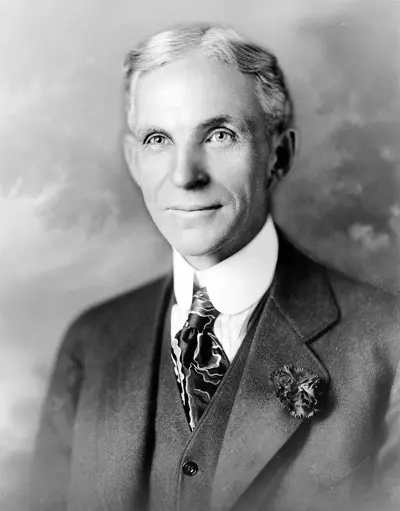
Henry Ford was an American industrialist, business magnate, anti-Semite, and founder of the Ford Motor Company and chief developer of the assembly line technique of mass production. By creating the first automobile that middle-class Americans could afford, he converted the automobile from an expensive curiosity into an accessible conveyance that profoundly impacted the landscape of the 20th century.
