Martin Luther King Jr. Quotes
The church ... is not the master or the servant of the state, but rather the conscience of the state.
Martin Luther King Jr., 1929-1968, Clergyman & Civil Rights Leader, Nobel Peace Laureate, Strength to Love, 1963
Sourced by: Eigen's Political and Historical Quotations


While he did not believe that clerics should engage in politics, he did believe that Islamic values and law should be embodied in the nation’s constitution and laws.

This quotation is classic in that it illustrates a fundamental difference between a political and religious view of rights. Politically a citizen is entitled to rights with no requirement or condition of responsibility. Politically, we may desire and applaud or even reward responsible behavior, but we may not condition the rights on someone’s version of responsible use of the rights. Indeed, the real test is if people have rights who are generally thought to be irresponsible. See {633640} .

The State of New Jersey reimbursed parents of public and private school children when the children took public transportation to school. Parents of religious school children wanted the same reimbursement. The Court would not allow that. The vote was 5-4.

Williams was a minority voice throughout most of the world on this point. Even in modern times there are many civil and religious authorities do do not agree. The belief of God’s impotence and the need for the “sword of steel” seem so contradictory yet it persists even to modern times.


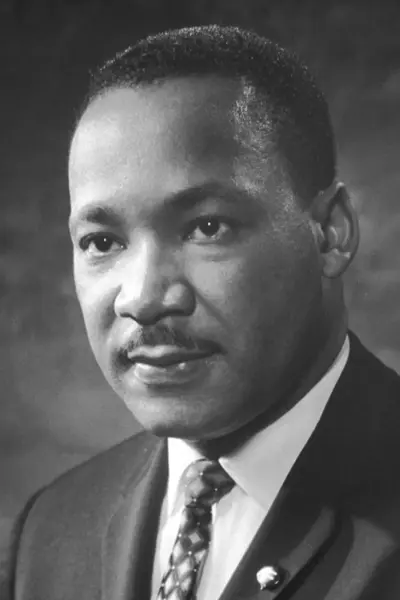
Martin Luther King Jr. was an African American Baptist minister and activist who became the most visible spokesperson and leader in the American civil rights movement from 1955 until his assassination in 1968. King advanced civil rights through nonviolence and civil disobedience, inspired by his Christian beliefs and the nonviolent activism of Mahatma Gandhi. He was the son of early civil rights activist Martin Luther King Sr.
