Saito Makoto Quotes
The chief of these [problems governing Korea] arise from the character of the Koreans. Many of them are crooked. They want "squeeze" from the Japanese and their own people. They are lazy.
He was Governor-General of Korea when he made this statement. “Squeeze” was the word for bribes literally translated then from Korean. In most instances of racial discrimination “laziness” is almost always attributed to the so called “inferior” people, like the British with the Arabs, and the American Southerners with the Negroes.
Saito Makoto, 1858–1936, Prime Minister of Japan, Japanese Governor-General of Korea, Naval Admiral & Minister of the Navy, Statement of the Japanese Colonial Policy for Korea, Quoted in Ralston Hayden, “Japan's New Policy in Korea and Formosa”, Foreign Affairs, March 1924
Sourced by: Eigen's Political and Historical Quotations


Referring to the actions of United States Attorney General, Edwin M. Meese III, in the Wedtech case. This was a very unusual situation where a United States Attorney publicly admits to the bad behavior of a former Attorney General.


Marshall was one of the greatest soldiers who ever served America. He was the Chief of Staff throughout the Second World War and then served as Secretary of State. It was he who devised and implemented the Marshall Plan. McCarthy accused thousands of people of being disloyal including Marshall. He claimed to have lists of communists in the Army and other agencies of government, but never produced such lists. In addition to being a overbearing demagogue, he suffered (and died from) from a serious case of alcoholism. McCarthy’s false and irresponsible attacks eventually caused the Senate to censure him. That and his drinking destroyed his career. Marshall is remembered as one of America’s great figures.

Franklin was the superstar of his day in terms of popularity—especially in Europe. However, his informal, social style together with his late hours and popularity with the ladies, together with the fact that he seemed on good social terms with even enemies developed a combination of jealousy, frustration and even suspicion by some of his diplomatic colleagues.
This is a common rejoinder of third world country leaders to accusations of Western democracies about corruption. And doubtless it is true. However temptation has never been a good defense of improper behavior.


Henry Wheeler Shaw 1818-1885

Al-Maarri’s quotations are not only meaningful in their own right, but they illustrate the openness and free thinking that was allowed in the early days of Islam before about 1100. If anyone wrote such things today in most Islamic countries he would at least be jailed if not executed for blasphemy.

President Theodore Roosevelt referred to the same groups similarly. See {638453} and {639956}.


He said this as he threw them out of his White House office.

Kerry had just finished a formal presentation, and thought that the microphones he was wearing had all been removed. Some opponents accuse him of knowing that he was overheard by live mikes.


He like others were very critical of Democracy and also of tyranny, but they had no positive solution as to what was acceptable.


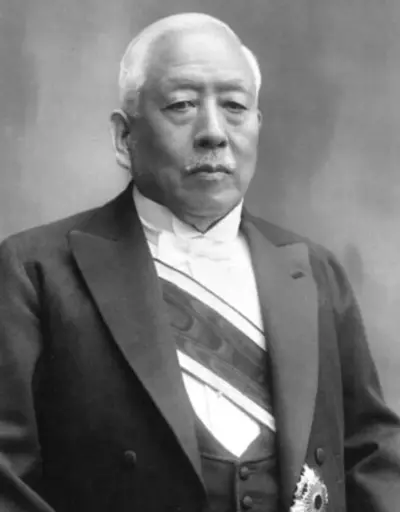
Viscount Saitō Makoto, GCB was a Japanese naval officer and politician. Upon distinguishing himself during his command of two cruisers in the First Sino-Japanese War, Saitō rose rapidly to the rank of rear admiral by 1900. He was promoted to vice admiral during the Russo-Japanese War in 1904. After serving as Minister of the Navy from 1906 to 1914, Saitō held the position of Governor-General of Korea from 1919 to 1927 and again from 1929 to 1931. When Inukai Tsuyoshi was assassinated in May 1932, he took his place as Prime Minister and served one term in office. Saitō returned to public service as Lord Keeper of the Privy Seal in February 1935 but was assassinated only a year later during the February 26 Incident.
