Seneca the Younger Quotes
There is no grace in a benefit that sticks to the fingers.
Seneca, Lucius Annaeus. Seneca's Morals by Way of Abstract. Translated by Sir Roger L'Estrange, J. B. Lippincott & Co., 1867, p. 32.


Franklin was the superstar of his day in terms of popularity—especially in Europe. However, his informal, social style together with his late hours and popularity with the ladies, together with the fact that he seemed on good social terms with even enemies developed a combination of jealousy, frustration and even suspicion by some of his diplomatic colleagues.

This is a common rejoinder of third world country leaders to accusations of Western democracies about corruption. And doubtless it is true. However temptation has never been a good defense of improper behavior.


Henry Wheeler Shaw 1818-1885

Corruption was rife in the Congo before the French or Belgians ever arrived there. However, it is the case that French business and diplomatic culture is much more tolerant of third world corruption than most other industrial democracies and actively engage in bribery efforts to a degree that other nations do not.

When his wife Benizir Bhutto was prime minister, there was a perception of many Pakistanis that he was getting 10% graft on all government construction, development and purchases. After his wife was assassinated, he was elected Prime Minister, and the notorious nickname stuck even then.


He was Governor-General of Korea when he made this statement. “Squeeze” was the word for bribes literally translated then from Korean. In most instances of racial discrimination “laziness” is almost always attributed to the so called “inferior” people, like the British with the Arabs, and the American Southerners with the Negroes.


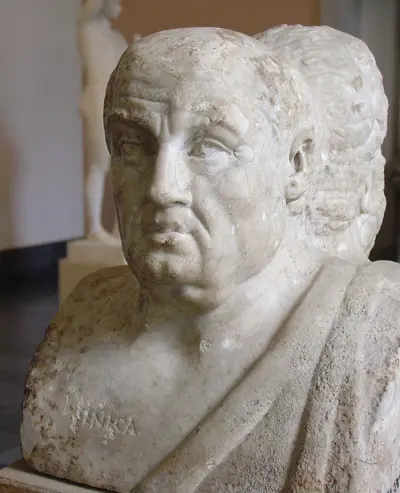
Lucius Annaeus Seneca the Younger (/ˈsɛnɪkə/; c. 4 BC – AD 65), usually known as Seneca, was a Roman Stoic philosopher, statesman, dramatist, and in one work, satirist from the Silver Age of Latin literature.
