Finley Peter Dunne Quotes
Th' newspaper does ivrything f'r us. It runs th' polis foorce an' th' banks, commands th' milishy, conthrols th' ligislachure, baptizes th' young, marries th' foolish, comforts th' afflicted, afflicts th' comfortable, buries th' dead an' roasts thim aftherward.
Dunne put these words in the mouth of his famous character, Mr. Dooley. The part of the quotation, “comforts th' afflicted, afflicts th' comfortable” without the accent, became the motto for many journalists. This is the earliest use we have found, but it ironically was not very complimentary to newspapers.
Finley Peter Dunne, 1867-1936, American humorist & newspaper editor, 1902
Sourced by: Eigen's Political and Historical Quotations


The three "estates" were the Lords Spiritual (Clergy), Lords Temporal (Aristocracy) and the Commons. The other three estates have been forgotten, but the press is still known as the "fourth estate." See Emanuel Sieyes, s.v. "Voters and Voting," on the Third Estate


This was the veteran newspaper editor’s last column before retirement and he chose to write it about the role of the press in the Japanese imperialist and militaristic nation in the period before and during WWII. He was then a young journalist. While most Japanese see that period as disastrous where the nation lost its way, the ultra conservatives blame the insufficient attention and support of the military and in retrospect do not see that the Japanese have anything to apologize for. Most of Asia disagrees profoundly.
Husayn Ali Nuri


This particular column brought criticism from some on the left who were distressed that a First Lady might be trying to intimidate the press. Mrs. Roosevelt was, like her husband, not wed to any particular dogma or ideology’ they were practical, common sense politicians who distrusted dogma of any kind.


The New York Tribune in 1856 had a circulation of 220,000—many of whom were Westerners


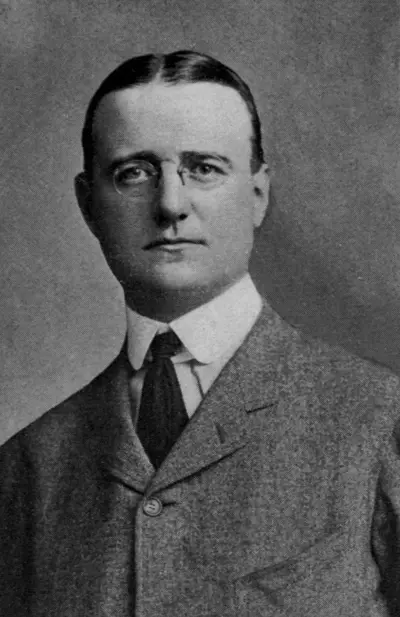
Finley Peter Dunne was an American humorist and writer from Chicago. In 1898 Dunne published Mr. Dooley in Peace and in War, a collection of his nationally syndicated Mr. Dooley sketches. Speaking with the thick verbiage and accent of an Irish immigrant from County Roscommon, the fictional Mr. Dooley expounded upon political and social issues of the day from his South Side Chicago Irish pub. Dunne's sly humor and political acumen won the support of President Theodore Roosevelt, a frequent target of Mr. Dooley's barbs. Dunne's sketches became so popular and such a litmus test of public opinion that they were read each week at White House cabinet meetings.
