Jawaharlal Nehru Quotes
Socialism is... not only a way of life, but a certain scientific approach to social and economic problems.
Nehru, Jawaharlal. India and the World. George Allen & Unwin, 1936, p. 83.


This was a fascinating definition of socialism in that it was not an absolute definition. It was to the ediors simply and improvement over the status quo in certain areas. Also, unlike Communism, democracy is a required element of Socialism.

The revolutionists had just captured the Winter Palace: Vladimir Lenin


Many anti-socialists criticize the political philosophy of socialism on the grounds that it denies citizens personal freedom. Yet most socialists claim that a central doctrine is to give citizens more freedom. The difference is in the type of freedom that they each emphasize. Most socialists observe that the major limits to the freedom of the vast majority of the people in the world are put there by the lack of economic resources. So increasing freedom to them is to decrease the de facto limits that are placed on people by the economic system. The person working for a large corporation that is a monopoly or the only employer in the area, and has a family and no saved money to move to another area, has no freedom to live where he would like. So the socialists emphasize getting the person more money and diminishing the power and the options of the employers to de facto restrict the corporations and businesses. The capitalists look at socialism and see a system that would diminish the freedom of the corporations and those people who own and manage them and argue that if they are successful enough the workers will fare better and be able to gather and save the resources that they might need to move, change careers and have more de facto freedoms." Viscount Prestwood
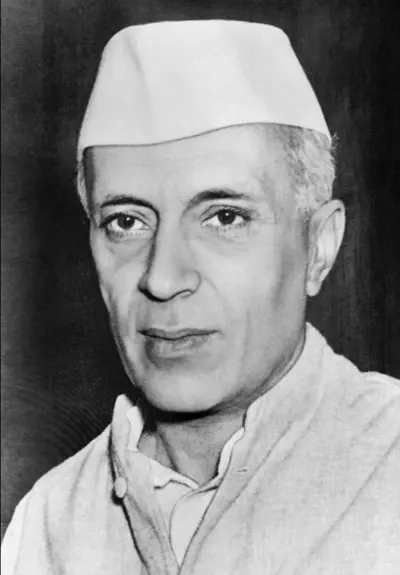
Jawaharlal Nehru was an Indian independence activist and, subsequently, the first Prime Minister of India, as well as a central figure in Indian politics both before and after independence. He emerged as an eminent leader of the Indian independence movement, serving India as Prime Minister from its establishment in 1947 as an independent nation, until his death in 1964. He was also known as Pandit Nehru due to his roots with the Kashmiri Pandit community, while Indian children knew him better as Chacha Nehru (Hindi: Uncle Nehru).
