Karl Liebknecht Quotes
But Socialism, alone, can bring self-determination of their peoples.


Many anti-socialists criticize the political philosophy of socialism on the grounds that it denies citizens personal freedom. Yet most socialists claim that a central doctrine is to give citizens more freedom. The difference is in the type of freedom that they each emphasize. Most socialists observe that the major limits to the freedom of the vast majority of the people in the world are put there by the lack of economic resources. So increasing freedom to them is to decrease the de facto limits that are placed on people by the economic system. The person working for a large corporation that is a monopoly or the only employer in the area, and has a family and no saved money to move to another area, has no freedom to live where he would like. So the socialists emphasize getting the person more money and diminishing the power and the options of the employers to de facto restrict the corporations and businesses. The capitalists look at socialism and see a system that would diminish the freedom of the corporations and those people who own and manage them and argue that if they are successful enough the workers will fare better and be able to gather and save the resources that they might need to move, change careers and have more de facto freedoms." Viscount Prestwood

The king had his first meeting with the new Prime Minister:


The revolutionists had just captured the Winter Palace: Vladimir Lenin


The Income tax had been ruled Constitutional by the Supreme Court in 1881, but the then “new” Court—the one that would render the Plessy v. Furgeson decision—was a more conservative one. By a 5-4 partisan decision, the Supreme Court reversed itself and killed the income tax until a Constitutional amendment could be passed 19 years later in 1913.
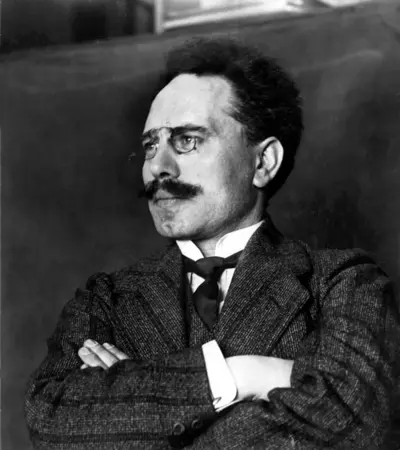
Karl Paul August Friedrich Liebknecht (German: [ˈliːpknɛçt] (listen); 13 August 1871 – 15 January 1919) was a German socialist politician and theorist, originally of the Social Democratic Party of Germany (SPD) and later a co-founder with Rosa Luxemburg of the Spartacist League and the Communist Party of Germany, which split from the SPD after World War I. He is best known for his opposition to the war in the Reichstag and his role in the Spartacist uprising of January 1919. The uprising was crushed by the SPD government and the Freikorps (paramilitary units formed of World War I veterans), which summarily executed Liebknecht and Luxemburg.
