Frances Wright Quotes
So long as the mental and moral instruction of man is left solely in the hands of hired servants of the public--let them be teachers of religion, professors of colleges, authors of books, or editors of journals or periodical publications, dependent upon their literary incomes for their daily bread, so long shall we hear but half the truth; and well if we hear so much. Our teachers, political, scientific, moral, or religious; our writers, grave or gay, are compelled to administer to our prejudices and to perpetuate our ignorance.
Wright, Frances. Course of Popular Lectures. Office of the Free Enquirer, 1829, p. 31.


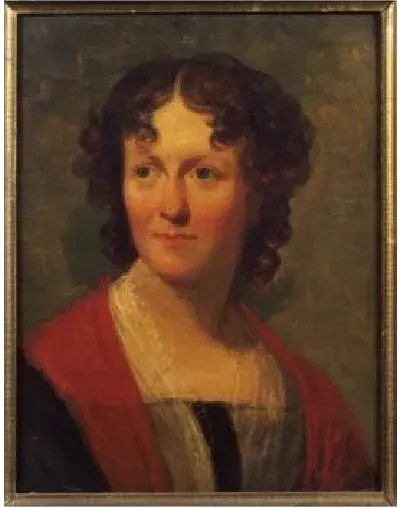
Frances Wright, widely known as Fanny Wright, was a Scottish-born lecturer, writer, freethinker, feminist, utopian socialist, abolitionist, social reformer, and Epicurean philosopher, who became a US citizen in 1825. The same year, she founded the Nashoba Commune in Tennessee, as a utopian community to demonstrate how to prepare slaves for eventual emancipation, but the project lasted only five years. In the late 1820s Wright was the first woman lecturer to speak publicly before gatherings of men and women in the United States about political and social-reform issues. She advocated universal education, the emancipation of slaves, birth control, equal rights, sexual freedom, legal rights for married women, and liberal divorce laws. Wright was also vocal in her opposition to organized religion and capital punishment. The clergy and the press harshly criticized Wright's radical views. Her public lectures in the United States led to the establishment of Fanny Wright societies and her association with the Working Men's Party, organized in New York City in 1829, became so strong that its opponents called the party's slate of candidates the Fanny Wright ticket.
