Pat Brown Quotes
Since there are only so many ways to kill a person, a good portion of homicides look pretty much alike.
Brown, Pat. Killing for Sport: Inside the Minds of Serial Killers. New Millennium Press, 2003.


Description of one of his experiences in the Spanish American War.

A number of the American soldiers refused to obey Calley's illegal order. Some helped some villagers to escape, and a helicopter pilot landed betreen Callery's men and the villagers they were shooting at, and ordered his helicopter machine gun crew to fire on the soldiers if they did back off. The soldiers stopped firing at the civillians. However, his and other reports of the massacre were covered up by the military for a few years. Mai Lai was not the only major war crime perpetrated by Americans in the Vietnam War; there had been a few others. But given the years of fighting and the many opportunities war crimes violations under orders were quite rare. The Viet Cong had many more war crimes that they perpetrated, and our South Vietnamese allies repeatedly committed war crimes against their own people.


He was the first person to make the distinction in English law between murder and accidental homicide. Earlier they both carried the same death penalty. Bracton, with murder and with theft, wrote of the concept of “mens rea”—criminal mind or intent which is a fundamental principle of modern law. Aristotle, in his Nichomachean Ethics, made similar distinctions of responsibility depending on intent, but Bracton codified it in English law.

It was common then for people to die in tenements as a result of shoddy construction, poisoning by sewer gas, and unsanitary conditions. As the result of the efforts of reformers like Riis and Theodore Roosevelt health inspectors were appointed and errant builders went to jail—in some cases for manslaughter.


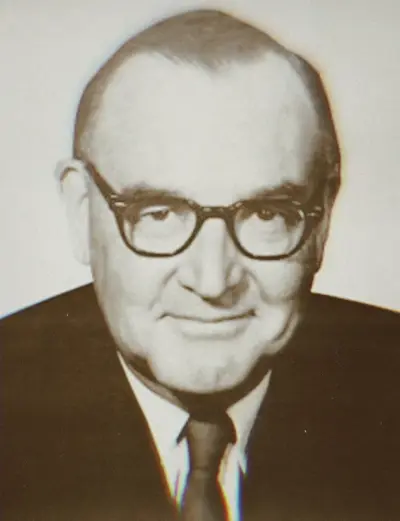
Edmund Gerald "Pat" Brown was an American politician and lawyer who served as the 32nd governor of California from 1959 to 1967. His first elected office was as district attorney for San Francisco, he was elected attorney general of California in 1950 before becoming the state's governor in 1959.
