Jacob Riis Quotes
Why should a man have a better right to kill his neighbor with a house than with an axe in the street?
It was common then for people to die in tenements as a result of shoddy construction, poisoning by sewer gas, and unsanitary conditions. As the result of the efforts of reformers like Riis and Theodore Roosevelt health inspectors were appointed and errant builders went to jail—in some cases for manslaughter.
Jacob Riis, 1840-1914, Author & Journalist, The Making of an American
Sourced by: Eigen's Political and Historical Quotations


The implication of this sura is that it is permissible to kill non-Muslims but not Muslims. The same is true of slavery. Another prescription of this sura is that a Muslim should never kill another Muslim, so while this sura is very discriminatory and in that sense reprehensible, it does call into question the Islamic terrorist practice of the late 20th and early 21st century of killing fellow Muslims who might vote, serve in an official role or cooperate with non-believers. And it definitely to the Western mind prohibits the kind of Islamic sectarian violent practice of Sunni Muslims and Shiite Muslims torturing and butchering each other—a practice that has continued since the two groups fought over who was the rightful successor to Muhammad. The religious rationale for that murderous behavior is that each Islamic group sees the other as apostate and therefore no longer real Muslims.

Description of one of his experiences in the Spanish American War.

He stormed offstage leaving the other panelists shocked. This boorish behavior and other at a dignified world intellectual meeting shocked most participants, diplomats, and government officials who castigated Erdogan. However, he returned to large popular approving crowds of his religious Islamic base who thought his behavior heroic. One irony of the Arab-Israeli Conflict in the Middle East as that with 60 years of war, occupation and conflict, the winning and dominant Israelis have killed very few Arabs, especially when one compares the number with the Arabs who were killed by their coreligionists. The Jordanian Army killed 7000 Palestinians in a single week when the Palestinians tried to take over Jordan. The Syrians killed 20,000 and decades later killed over 100,000 of their own people in their internecine civil war. Sunnis have butchered Shiaas and vica versa for over 1000 years, and more Muslims have been the victims of Arab Terrorism than Jews. But in the killing of Arabs, the over 1000 years of Turkish Rule of the Middle East produced incredible butchery by the Turks, which even they exceeded in the Armenian Genocide of Christians in the early decades of the 20th century. The Turks however tend to deny these events were deliberate policy and action but claims the dead were collateral damage of legitimate war. But killers they were, and they currently have one of the best and strongest militaries of the world.

A number of the American soldiers refused to obey Calley's illegal order. Some helped some villagers to escape, and a helicopter pilot landed betreen Callery's men and the villagers they were shooting at, and ordered his helicopter machine gun crew to fire on the soldiers if they did back off. The soldiers stopped firing at the civillians. However, his and other reports of the massacre were covered up by the military for a few years. Mai Lai was not the only major war crime perpetrated by Americans in the Vietnam War; there had been a few others. But given the years of fighting and the many opportunities war crimes violations under orders were quite rare. The Viet Cong had many more war crimes that they perpetrated, and our South Vietnamese allies repeatedly committed war crimes against their own people.


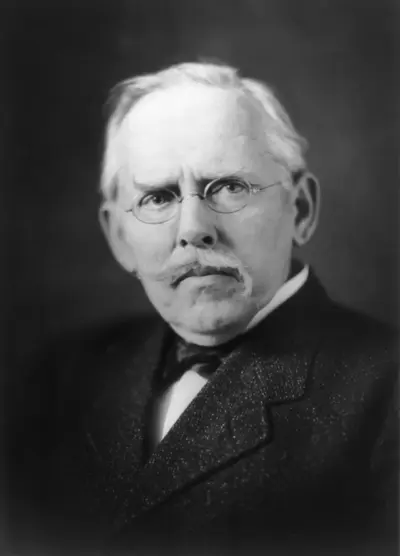
Jacob August Riis (/riːs/; May 3, 1849 – May 26, 1914) was a Danish-American social reformer, "muckraking" journalist and social documentary photographer. He contributed significantly to the cause of urban reform in America at the turn of the twentieth century. He is known for using his photographic and journalistic talents to help the impoverished in New York City; those impoverished New Yorkers were the subject of most of his prolific writings and photography. He endorsed the implementation of "model tenements" in New York with the help of humanitarian Lawrence Veiller. Additionally, as one of the most famous proponents of the newly practicable casual photography, he is considered one of the fathers of photography due to his very early adoption of flash in photography.
