James Agee Quotes
[Should we] pry intimately into the lives of an undefended and appallingly damaged group of human beings, an ignorant and helpless rural family, for the purpose of parading the nakedness, disadvantage and humiliation of these lives before another group of human beings, in the name of science, of ‘honest journalism”?
He raised the ethical issue in his classic study of poor whites. He was one of the first to call attention to this and other factors such as objectivity given the background and culture of the journalist or writer.
James Agee Let Us Now Praise Famous Men 1941
Sourced by: Eigen's Political and Historical Quotations


Alexie, an American Indian, studied wrote about the phenomenon whereby the Indians who were brutalized and attacked by whites with modern weapons and other technological advantages, in the process of defending themselves and their way of life became oppressors to whites in many situations where they could dominate a local scene. Likewise, the Israelis, who were totally oppressed in the Middle East for years and dominated by the more numerous Arabs with over a dozen established national armies attacking the Jewish civilian population when Israel first became a state. However the Jews survived and each time the Arabs attacked and further oppressed the Israelis, the Jews became stronger until at some point the became oppressors of many of the Arabs. The oppressors became the oppressed and vica versa.


She was one of the first prominent white southerners to denounce racial segregation.

_0_thumbnail_47x47.jpg "William Gregg of South Carolina")
Gregg exclusively hired poor whites to work in his factory, hoping to elevate them into a more civilized—though still a menial—station, providing steady work and granting access to schools.


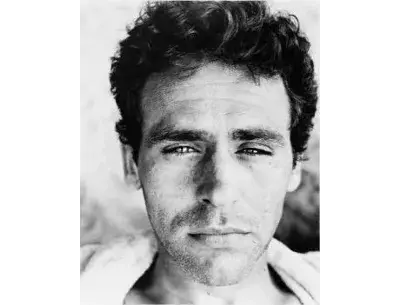
James Rufus Agee was an American novelist, journalist, poet, screenwriter and film critic. In the 1940s, he was one of the most influential film critics in the U.S. His autobiographical novel, A Death in the Family (1957), won the author a posthumous 1958 Pulitzer Prize.
