Strom Thurmond Quotes
Segregation in the South is honest, open and aboveboard. Of the two systems, or styles of segregation, the Northern and the Southern, there is no doubt whatever in my mind which is the better.
Thurmond, Strom. Congressional Record, 85th Cong., 1st Sess., vol. 103, 28 Aug. 1957, p. 16460.


Reconstruction was the period in the South after the Civil War. The change that emancipation brought to the white South was traumatic, and there was a constant struggle between those who wanted the Blacks to be integrated into Southern Society—and those Southerners who wanted to create a society that would be as close to slavery as possible, So the Klu Klux Klan and other terrorist organizations formed and with lynching and other intimidation, much of the initial progress of Reconstruction was rolled back and did not get reinstated until the Civil Rights and Voting Rights Acts were passed in 1964.

This widely publicized statement by Mr. Ethridge was made when he was a member of the President's Committee on Fair Employment Practices during the hearings of this Committee at Birmingham, Alabama.

Blacks were fighting and dying in WWII. They were equal when they were under fire, but otherwise not. The war was against fascist protagonists whose creed was inequality while the allies were upholding freedom and equality. But making that aspiration a reality was difficult.


The Georgia flag with the Confederate flag inset was adopted by the legislature in 1956 during the civil rights struggle. The Governor called for legislation bringing back the old flag.

The statement was made even more dramatic as the outgoing Governor, Lester Mattox, standing behind Carter at the ceremony, was an arch segregationist.

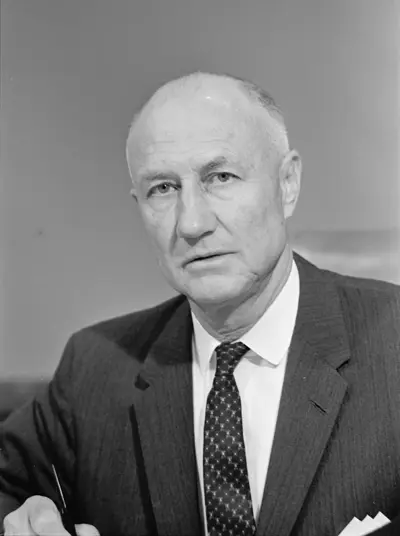
James Strom Thurmond Sr. was an American politician, military officer, and attorney who represented South Carolina in the United States Senate from 1954 to 2003. Prior to his 48 years as a senator, he served as the 103rd governor of South Carolina from 1947 to 1951. Thurmond was a member of the Democratic Party until 1964 when he joined the Republican Party for the remainder of his legislative career. He also ran for president in 1948 as the Dixiecrat candidate, receiving over a million votes and winning four states.
