Harry S. Truman Quotes
Prosperous farmers make for a prosperous nation, and when farmers are in trouble, the nation is in trouble.
Truman, Harry S. "Address at the National Plowing Match in Dexter, Iowa," September 18, 1948. Public Papers of the Presidents of the United States: Harry S. Truman, 1948, U.S. Government Printing Office, 1964, p. 504.


Inscribed in the South Lunette of the Library of Congress

What happened is that farmers over the year became either industrialized mechanized agricultural enterprises or peasants and the later did exactly what Capper predicted—moved to the cities. Agribusiness thrived and small traditional farmers were ruined unless they adopted the new technologies.


The House had been debating an agricultural subsidy bill. Family farmers had in certain years not been able to sell their produce for the cost of growing it and subsidies made up the difference. But in this particular year, farm prices were very high and the agricultural subsidies were “welfare for the rich.” Farmers who earned over a million dollars in a great agricultural year would get “subsidies.” Typically members of Congress were either opposed to agricultural subsidies or opposed. Congressman Kind had a more nuanced view.

She advocates cutting out more of the middle men in the food chain and having the farmer earn more money. One difficulty with her idea is that the vast majority of farming today is done by large corporations who are already making a good deal of money and consumer groups do not want to further enrich these corporations at the expense of the consumer. However by buying directly from the small farmer who grows particularly good food, she can accomplish the objective on a small scale.


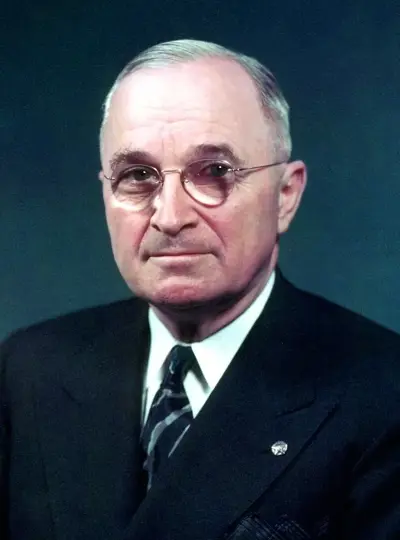
Harry S. Truman was an American politician who served as the 33rd President of the United States (1945–53). He served as a United States Senator from Missouri (1935–45) and briefly as Vice President (1945) before he succeeded to the presidency on April 12, 1945 upon the death of Franklin D. Roosevelt. He was president during the final months of World War II, and approved the plan to drop atomic bombs on Hiroshima and Nagasaki. Truman was elected in his own right in 1948. He presided over an uncertain domestic scene as America sought its path after the war and tensions with the Soviet Union increased, marking the start of the Cold War.
