Judith Butler Quotes
Popular sovereignty has to be given by a people to itself, and this is the important meaning of self-determination.
Butler, Judith, and Athena Athanasiou. Dispossession: The Performative in the Political. Polity Press, 2013.


The view was considered so radical at the time that Fox's name was erased from the Privy Council.


Although Queen Victoria was modern and liberal in many respects, the idea of self-determination by majority vote was unthinkable and certainly undesirable for her. She was not opposed to lands and peoples changing empires and peoples per se. It was how the decision was made that was critical to her. Sovereigns had been buying, selling, and trading lands and peoples for centuries. And after wars, the winners would also reallocate the kingdoms of the loser. But the idea of a democratic plebiscite making the decision was unacceptable. To her and many others of the day, power struggles between factions, politicians, and sovereigns themselves would cause them to inflame the passions of the people and/or bribe the people to vote to change their allegiance. She saw popular but possibly unscrupulous politicians “blackmailing” kings and queens and if payments from the treasury would not be made, the politician would stir up a movement to transfer allegiance to another sovereign who might well be willing to pay.


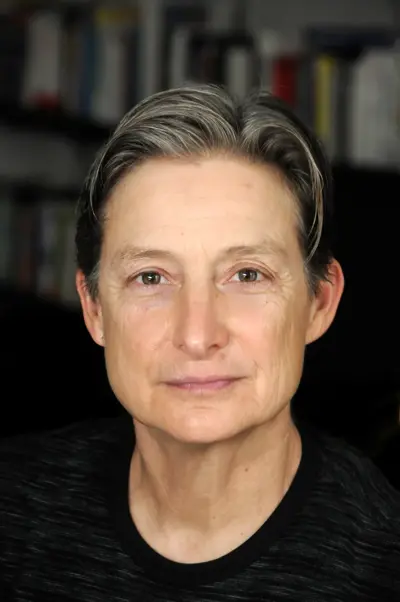
Judith Pamela Butler is an American philosopher and gender theorist whose work has influenced political philosophy, ethics, and the fields of third-wave feminist, queer, and literary theory. In 1993, Butler began teaching at the University of California, Berkeley, where they have served, beginning in 1998, as the Maxine Elliot Professor in the Department of Comparative Literature and the Program of Critical Theory. They are also the Hannah Arendt Chair at the European Graduate School.
