Francois Fenelon Quotes
Peace treaties signed by the vanquished are not freely signed. Men sign with a knife at their throat, they sign in spite of themselves, in order to avoid still greater losses
Francois Fenelon, 1651–1715, French Archbishop of Cambrai, Political and Religious Philosopher, Directions pour la conscience d'un roi
Sourced by: Eigen's Political and Historical Quotations


The Barbary Pirates had an incredible extortion racket going in the Mediterranean. If nations would pay them an annual sum each year, they would not attack and seize merchant ships of that country and sell the ships and goods while holding the sailors for ransom. President Jefferson had first dispatched American warships and authorized a major land operation which were very effective. Finally, a treaty was negotiated but Decatur reminded the Navy of what brought the Algerians to the negotiating table.


Nixon staff assistant Chuck Coulson used a variant of this quotation. See {628753}.


He was expelled from Parliament for such.

Bhutto, after Pakistan’s defeat by India, initiated a massive nuclear bomb development program which was contrary to the Nuclear Non-Proliferation policy of the United States. Bhutto went ahead anyway and soon Pakistan had a nuclear capability, much to the distress of the other nuclear powers in the world.


Poincare and his policy advisors thought that the Germans were bluffing as they had in the past. This time they were not. WWI followed.

In this case, he was referring to the situation with the Barbary Pirates who had an incredible extortion racket going in the Mediterranean. If nations would pay them an annual sum each year, they would not attack and seize merchant ships of that country and sell the ships and goods while holding the sailors for ransom. Jefferson favored and authorized war—a naval attack which for many reasons the European nations had not done (they just paid the tribute). Then a peace treaty was finally signed—the first American Treaty.


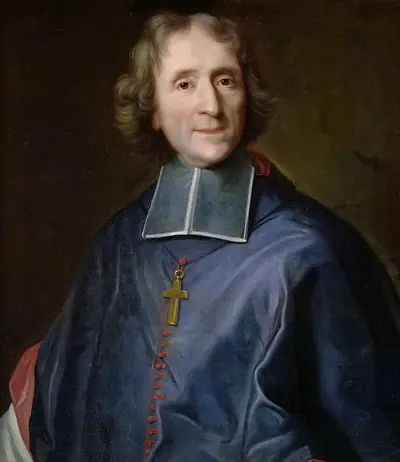
François de Salignac de la Mothe-Fénelon (French: [də la mɔt fenəlɔ̃]), more commonly known as François Fénelon, was a French Roman Catholic archbishop, theologian, poet and writer. He today is remembered mostly as the author of The Adventures of Telemachus, first published in 1699.
